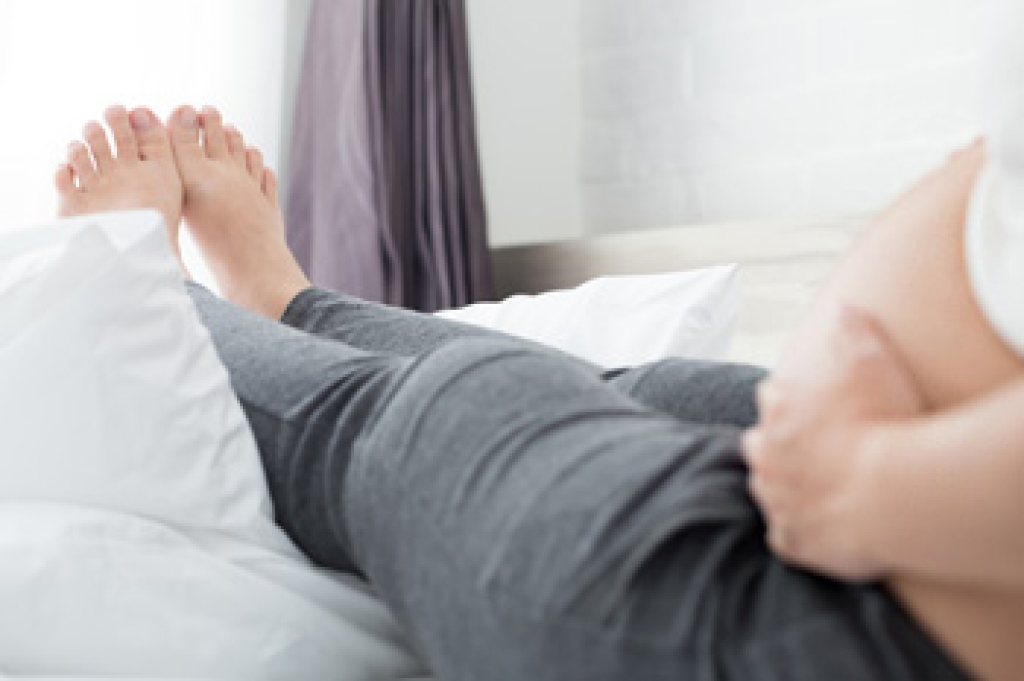
Elevating the Feet During Pregnancy

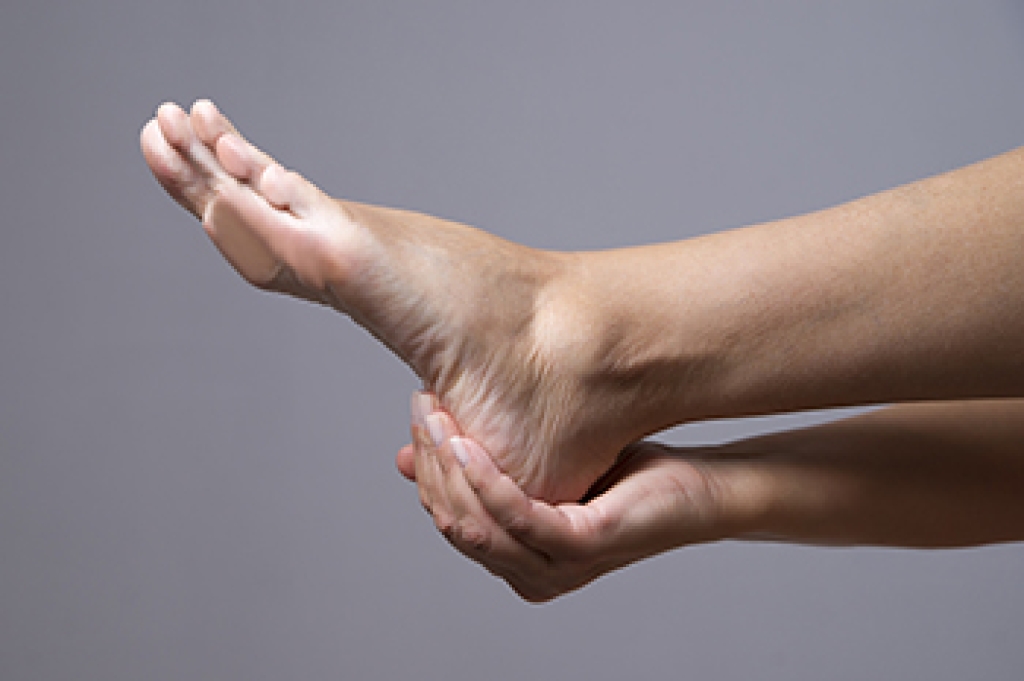
Any woman who has brought a baby to term surely knows that a pregnancy can have an impact on the health of the feet. Part of this is natural because a pregnancy can facilitate changes in the body, and so consequently, the feet are no exception to this. One well-known side effect of pregnancy is essentially the swelling of the feet. The feet and lower legs may swell when liquids accumulate in the feet. Although this is a common side effect of pregnancy, there are several things that a pregnant woman can do to address this problem. Most effectively, an individual can elevate their feet and lower legs to reduce the swelling in the feet. The feet and lower legs can be elevated to a point above the heart to effectively reduce the swelling. Schedule an appointment with a podiatrist today if you are pregnant. 

Pregnant women with swollen feet can be treated with a variety of different methods that are readily available. For more information about other cures for swollen feet during pregnancy, consult with Neeta Hasmukh, DPM from Total Podiatry. Our doctor will attend to all of your foot and ankle needs.

What Foot Problems Can Arise During Pregnancy?

One problem that can occur is overpronation, which occurs when the arch of the foot flattens and tends to roll inward.  This can cause pain and discomfort in your heels while you’re walking or even just standing up, trying to support your baby.  

Another problem is edema, or swelling in the extremities. This often affects the feet during pregnancy but tends to occur in the later stages. 

How Can I Keep My Feet Healthy During Pregnancy?

  • Wearing orthotics can provide extra support for the feet and help distribute weight evenly
  • Minimize the amount of time spent walking barefoot
  • Wear shoes with good arch support
  • Wear shoes that allow for good circulation to the feet
  • Elevate feet if you experience swelling
  • Massage your feet
  • Get regular, light exercise, such as walking, to promote blood circulation to the feet

If you have any questions, please feel free to contact our offices located in San Antonio, Uvalde, and Jourdanton, TX . We offer the newest diagnostic and treatment technologies for all your foot care needs.
Read more about Pregnancy and Foot Health

Examples of Developing Cuboid Syndrome

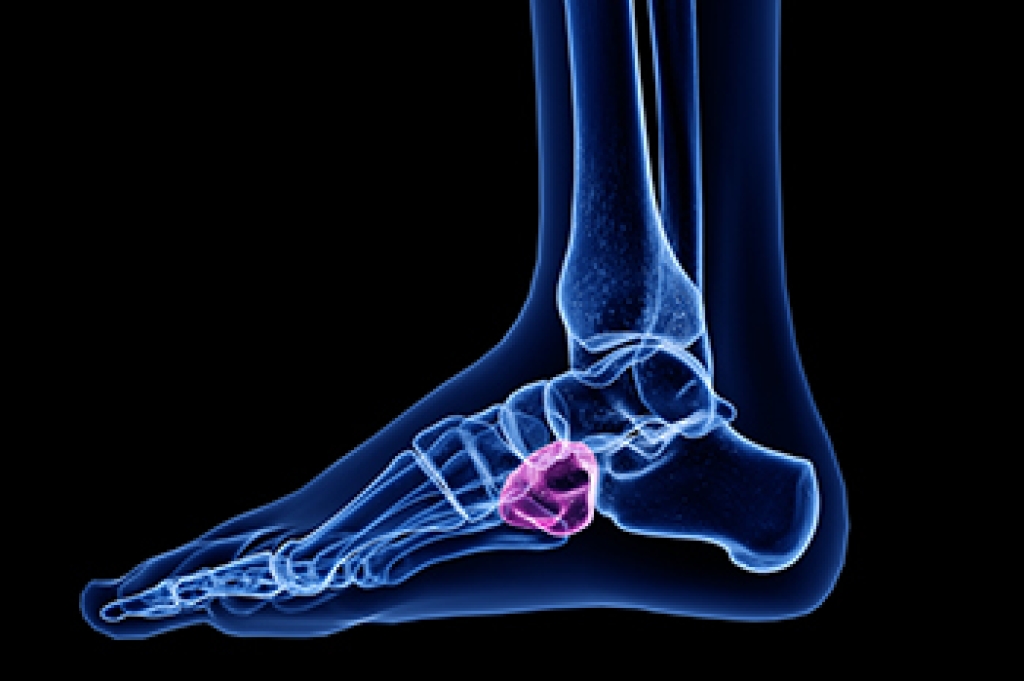
Cuboid syndrome is a condition affecting the health of the feet that develops when the cuboid bone is moved out of alignment in the foot. As a result, the lateral part of the foot may experience some discomfort or pain. There are many different examples of ways in which cuboid syndrome can develop. For example, athletes like basketball players may unintentionally move their cuboid bone out of alignment when rushing to the end of the court and using a lateral movement to suddenly slow down their motion. This lateral movement can sometimes cause the cuboid bone to shift out of place. Additionally, students who are rushing through the halls of their school might damage the alignment of their cuboid bone while pivoting their feet to suddenly change direction or speed. These are just some of many different examples of how individuals may develop cuboid syndrome. If you think you have this condition, please contact a podiatrist today for treatment. 


Cuboid syndrome, also known as cuboid subluxation, occurs when the joints and ligaments near the cuboid bone in the foot become torn. If you have cuboid syndrome, consult with Neeta Hasmukh, DPM from Total Podiatry. Our doctor will assess your condition and provide you with quality foot and ankle treatment.

Cuboid syndrome is a common cause of lateral foot pain, which is pain on the outside of the foot. The condition may happen suddenly due to an ankle sprain, or it may develop slowly overtime from repetitive tension through the bone and surrounding structures.

Causes

The most common causes of cuboid syndrome include:

  • Injury – The most common cause of this ailment is an ankle sprain.
  • Repetitive Strain – Tension placed through the peroneus longus muscle from repetitive activities such as jumping and running may cause excessive traction on the bone causing it to sublux.
  • Altered Foot Biomechanics – Most people suffering from cuboid subluxation have flat feet.

Symptoms

A common symptom of cuboid syndrome is pain along the outside of the foot which can be felt in the ankle and toes. This pain may create walking difficulties and may cause those with the condition to walk with a limp.

Diagnosis

Diagnosis of cuboid syndrome is often difficult, and it is often misdiagnosed. X-rays, MRIs and CT scans often fail to properly show the cuboid subluxation. Although there isn’t a specific test used to diagnose cuboid syndrome, your podiatrist will usually check if pain is felt while pressing firmly on the cuboid bone of your foot.

Treatment

Just as the range of causes varies widely, so do treatments. Some more common treatments are ice therapy, rest, exercise, taping, and orthotics.

If you have any questions, please feel free to contact our offices located in San Antonio, Uvalde, and Jourdanton, TX . We offer the newest diagnostic and treatment technologies for all your foot care needs.
Read more about All About Cuboid Syndrome

Flat Feet and Skateboarding

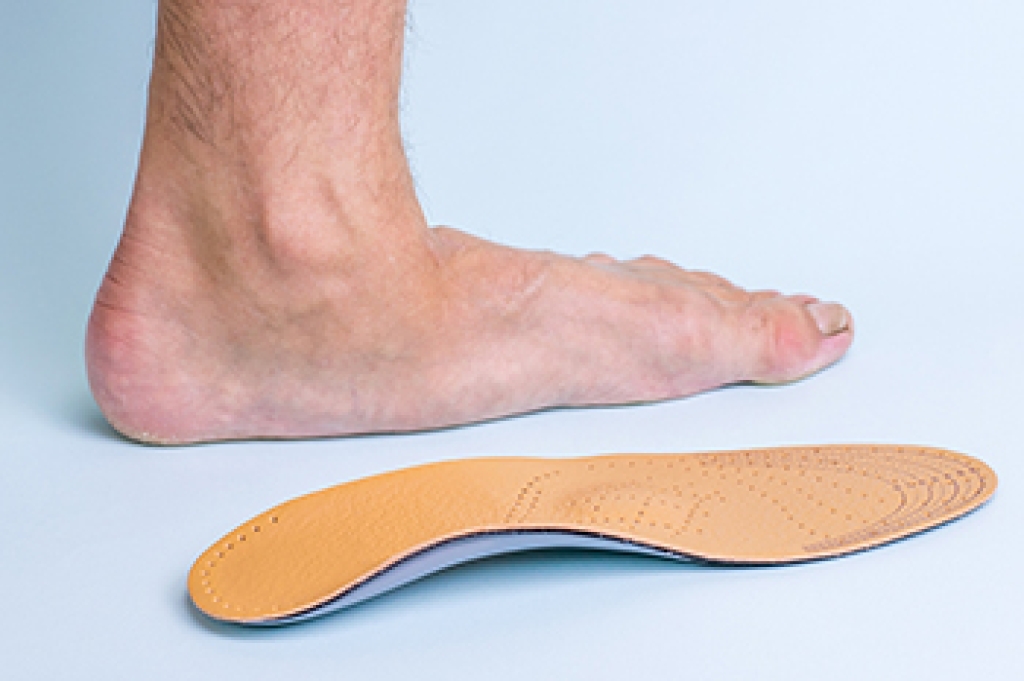
Skateboarding is better achieved with healthy feet. Since the activity requires the feet to balance on the board and perform tricks, the feet must be in good shape. Many individuals with flat feet wonder how this condition affects skateboarding. Flat feet develop when the entire bottom of the foot, or sole, rests flush against the floor. In other words, people with flat feet have no arch. Interestingly, individuals with flat feet can ensure that this condition does not affect their ability to ride a skateboard when they wear supportive footwear. Additionally, wearing supportive devices such as insoles can make skateboarding easier for individuals with flat feet. If you are someone that has flat feet and enjoys skateboarding, contact a podiatrist today for more information on how you can best engage in that activity. Podiatrists are foot specialists that can identify and treat a range of different foot conditions.

Flatfoot is a condition many people suffer from. If you have flat feet, contact Neeta Hasmukh, DPM from Total Podiatry. Our doctor will treat your foot and ankle needs.

What Are Flat Feet?

Flatfoot is a condition in which the arch of the foot is depressed and the sole of the foot is almost completely in contact with the ground. About 20-30% of the population generally has flat feet because their arches never formed during growth.

Conditions & Problems:

Having flat feet makes it difficult to run or walk because of the stress placed on the ankles.

Alignment – The general alignment of your legs can be disrupted, because the ankles move inward which can cause major discomfort.

Knees – If you have complications with your knees, flat feet can be a contributor to arthritis in that area.  

Symptoms

  • Pain around the heel or arch area
  • Trouble standing on the tip toe
  • Swelling around the inside of the ankle
  • Flat look to one or both feet
  • Having your shoes feel uneven when worn

Treatment

If you are experiencing pain and stress on the foot you may weaken the posterior tibial tendon, which runs around the inside of the ankle. 

If you have any questions, please feel free to contact our offices located in San Antonio, Uvalde, and Jourdanton, TX . We offer the newest diagnostic and treatment technologies for all your foot care needs.
Read more about Flatfoot

Causes of Arch Pain in the Foot

The longitudinal arch of the foot, which extends from the heel to the base of the toes, plays a vital role in keeping you on your feet. This arch acts like a shock absorber and helps you maintain balance with every step you take. It also helps you adapt to changes in terrain, such as walking on a hilly or uneven surface. Most importantly, the arch bears the weight of your body when you stand or move. The arch is part of a complex network of muscles, ligaments, tendons, and bones that allow the feet to work efficiently. If any part of the network is injured, it often results in arch pain. Symptoms are tightness, pulling, or a burning sensation. The most common causes of arch pain are plantar fasciitis, flat feet, overpronation, and shoes that do not fit properly. Other causes are high arches, injury, and overuse. If symptoms of arch pain persist or worsen, it is a good idea to consult a podiatrist who can determine the cause and offer the appropriate treatment options. 

If you have any concerns about your feet, contact Neeta Hasmukh, DPM from Total Podiatry. Our doctor can provide the care you need to keep you pain-free and on your feet.

Biomechanics in Podiatry

Podiatric biomechanics is a particular sector of specialty podiatry with licensed practitioners who are trained to diagnose and treat conditions affecting the foot, ankle and lower leg. Biomechanics deals with the forces that act against the body, causing an interference with the biological structures. It focuses on the movement of the ankle, the foot and the forces that interact with them.

A History of Biomechanics

  • Biomechanics dates back to the BC era in Egypt where evidence of professional foot care has been recorded.
  • In 1974, biomechanics gained a higher profile from the studies of Merton Root, who claimed that by changing or controlling the forces between the ankle and the foot, corrections or conditions could be implemented to gain strength and coordination in the area.

Modern technological improvements are based on past theories and therapeutic processes that provide a better understanding of podiatric concepts for biomechanics. Computers can provide accurate information about the forces and patterns of the feet and lower legs.

Understanding biomechanics of the feet can help improve and eliminate pain, stopping further stress to the foot.

If you have any questions please feel free to contact our offices located in San Antonio, Uvalde, and Jourdanton, TX . We offer the newest diagnostic and treatment technologies for all your foot and ankle needs.

Read more about Biomechanics in Podiatry

Connect With Us

Advanced Podiatric Procedures & Services in the San Antonio, TX 78224 and Uvalde, TX 78801 areas