
Risk Factors and Signs of Gout

Gout is a form of inflammatory arthritis characterized by sudden and debilitating pain, swelling, and redness in the joints, often affecting the big toe. This condition arises from elevated levels of uric acid in the blood, leading to the formation of urate crystals in the joints. Several risk factors can increase the likelihood of developing gout, including a diet high in purines, which are found in foods such as red meat, shellfish, and alcohol. Obesity, certain medical conditions like hypertension and diabetes, and a family history of gout also contribute to risk. Common signs of gout include intense joint pain, particularly during the night, and tenderness or discomfort in the affected area. If you have had one or more gout episodes, it is suggested that you are under the care of a podiatrist who can help you to manage this condition.

Gout is a foot condition that requires certain treatment and care. If you are seeking treatment, contact Neeta Hasmukh, DPM from Total Podiatry. Our doctor will treat your foot and ankle needs.

What Is Gout?

Gout is a type of arthritis caused by a buildup of uric acid in the bloodstream. It often develops in the foot, especially the big toe area, although it can manifest in other parts of the body as well. Gout can make walking and standing very painful and is especially common in diabetics and the obese.

People typically get gout because of a poor diet. Genetic predisposition is also a factor. The children of parents who have had gout frequently have a chance of developing it themselves.

Gout can easily be identified by redness and inflammation of the big toe and the surrounding areas of the foot. Other symptoms include extreme fatigue, joint pain, and running high fevers. Sometimes corticosteroid drugs can be prescribed to treat gout, but the best way to combat this disease is to get more exercise and eat a better diet.

If you have any questions, please feel free to contact our offices located in San Antonio, Uvalde, and Jourdanton, TX . We offer the newest diagnostic and treatment technologies for all your foot care needs.


Read more about Gout

Are You Suffering From Ingrown Toenails?

If left untreated, an ingrown toenail can lead to more serious concerns, such as an infection. Knowing proper nail care can help in the prevention of an ingrown toenail. Give us a call, and get treated!

Ankle Warm-Up Exercises for Enhanced Flexibility

Warming up the ankles before running is essential for preventing injuries and improving overall mobility. Incorporating specific exercises can enhance flexibility and strengthen the surrounding muscles. One effective exercise is the Achilles tendon stretch, which involves gently leaning forward while keeping the back leg straight to stretch the tendon and calf muscles. Ankle inversion and eversion exercises further promote joint stability. To perform ankle inversion, rotate the foot inward against resistance, while ankle eversion involves moving the foot outward. Both movements help strengthen the muscles around the ankle, enhancing support. The ankle alphabet is a fun and effective way to improve range of motion. While seated, use the big toe to trace each letter of the alphabet in the air. These warm-up exercises not only prepare the ankles for running but also contribute to better overall performance and reduced risk of injury. If you have injured your foot or ankle while running, it is suggested that you consult a podiatrist who can offer appropriate treatment options, and guide you on additional injury prevention techniques.

All runners should take extra precaution when trying to avoid injury. If you have any concerns about your feet, contact Neeta Hasmukh, DPM of Total Podiatry. Our doctor will treat your foot and ankle needs.

How to Prevent Running Injuries

There are a lot of mistakes a runner can make prior to a workout that can induce injury. A lot of athletes tend to overstretch before running, instead of saving those workouts for a post-run routine. Deep lunges and hand-to-toe hamstring pulls should be performed after a workout instead of during a warmup. Another common mistake is jumping into an intense routine before your body is physically prepared for it. You should try to ease your way into long-distance running instead of forcing yourself to rush into it.

More Tips for Preventing Injury

  • Incorporate Strength Training into Workouts - This will help improve the body’s overall athleticism
  • Improve and Maintain Your Flexibility – Stretching everyday will help improve overall performance
  • “Warm Up” Before Running and “Cool Down” Afterward – A warm up of 5-10 minutes helps get rid of lactic acid in the muscles and prevents delayed muscle soreness
  • Cross-Training is Crucial
  • Wear Proper Running Shoes
  • Have a Formal Gait Analysis – Poor biomechanics can easily cause injury

If you have any questions, please feel free to contact our offices located in San Antonio, Uvalde, and Jourdanton, TX . We offer the newest diagnostic and treatment technologies for all your foot care needs.
Read more about Preventing Running Injuries

Types of Open Wounds on the Feet

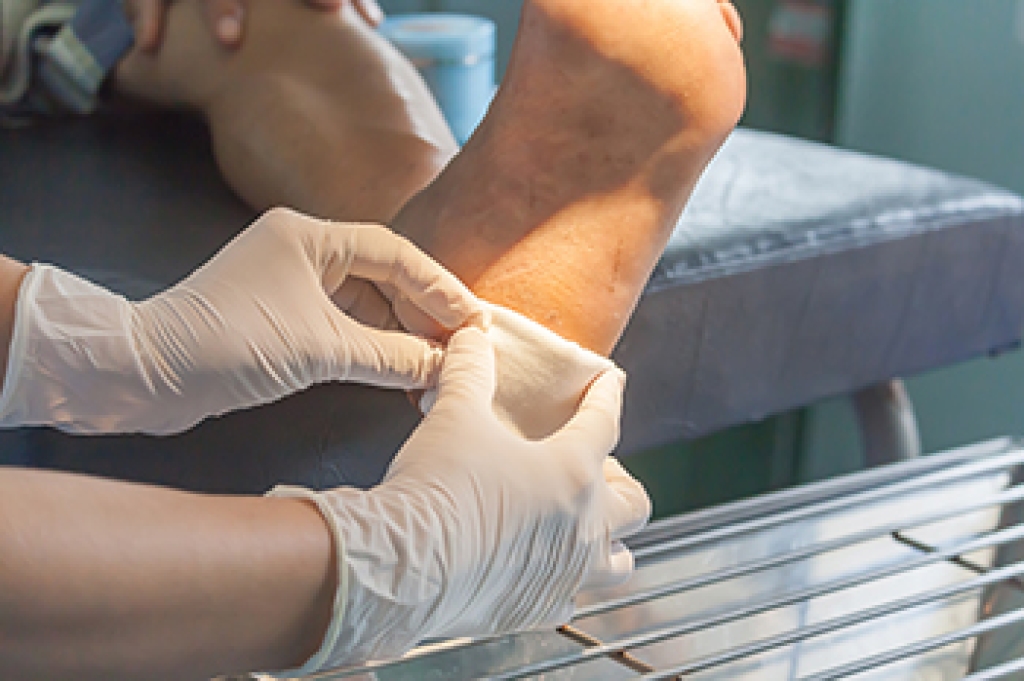
Open wounds on the feet can vary in severity and type, each requiring specific care. Abrasions are superficial injuries resulting from friction, They often cause the outer layer of skin to rub off, leading to redness and mild bleeding. Lacerations are deeper cuts that can vary in length and depth, often caused by sharp objects,. They may require stitches for proper healing. Avulsions occur when a portion of the skin is torn away, potentially exposing deeper layers and necessitating immediate medical attention. Puncture wounds result from objects piercing the skin, such as nails or splinters, which can introduce bacteria and lead to infection if not treated properly. Understanding these types of wounds is vital for effective first aid and healing. If you have a foot wound, it is suggested that you consult a podiatrist who can determine what type it is and offer effective treatment methods.

Wound care is an important part in dealing with diabetes. If you have diabetes and a foot wound or would like more information about wound care for diabetics, consult with Neeta Hasmukh, DPM from Total Podiatry. Our doctor will assess your condition and provide you with quality foot and ankle treatment.

What Is Wound Care?

Wound care is the practice of taking proper care of a wound. This can range from the smallest to the largest of wounds. While everyone can benefit from proper wound care, it is much more important for diabetics. Diabetics often suffer from poor blood circulation which causes wounds to heal much slower than they would in a non-diabetic. 

What Is the Importance of Wound Care?

While it may not seem apparent with small ulcers on the foot, for diabetics, any size ulcer can become infected. Diabetics often also suffer from neuropathy, or nerve loss. This means they might not even feel when they have an ulcer on their foot. If the wound becomes severely infected, amputation may be necessary. Therefore, it is of the upmost importance to properly care for any and all foot wounds.

How to Care for Wounds

The best way to care for foot wounds is to prevent them. For diabetics, this means daily inspections of the feet for any signs of abnormalities or ulcers. It is also recommended to see a podiatrist several times a year for a foot inspection. If you do have an ulcer, run the wound under water to clear dirt from the wound; then apply antibiotic ointment to the wound and cover with a bandage. Bandages should be changed daily and keeping pressure off the wound is smart. It is advised to see a podiatrist, who can keep an eye on it.

If you have any questions please contact our offices located in San Antonio, Uvalde, and Jourdanton, TX . We offer the newest diagnostic and treatment technologies for all your foot and ankle needs.

Read more about Wound Care

Causes and Treatment of a Bruised Heel

A bruised heel occurs when the protective fat pad beneath the heel bone is damaged from repetitive impact or a sudden injury. This condition is common in athletes who engage in high-impact activities, like running or jumping. It also affects people who wear shoes that lack adequate cushioning. People who are overweight or frequently walk on hard surfaces barefoot are at further risk. Symptoms of heel bruising include pain at the bottom of the heel, which may feel sharp if the bone is also bruised. Sometimes the heel appears red or blue, as the result of bleeding under the skin. Treatment focuses on reducing weight-bearing activities, resting, and protecting the heel with supportive footwear. A podiatrist can recommend customized orthotics, and suggest other modifications to reduce strain on the heel. If left untreated, complications like scar tissue may develop, leading to chronic heel pain. If you have a bruised heel, it is suggested that you schedule an appointment with a podiatrist.

Many people suffer from bouts of heel pain. For more information, contact Neeta Hasmukh, DPM of Total Podiatry. Our doctor can provide the care you need to keep you pain-free and on your feet.

Causes of Heel Pain

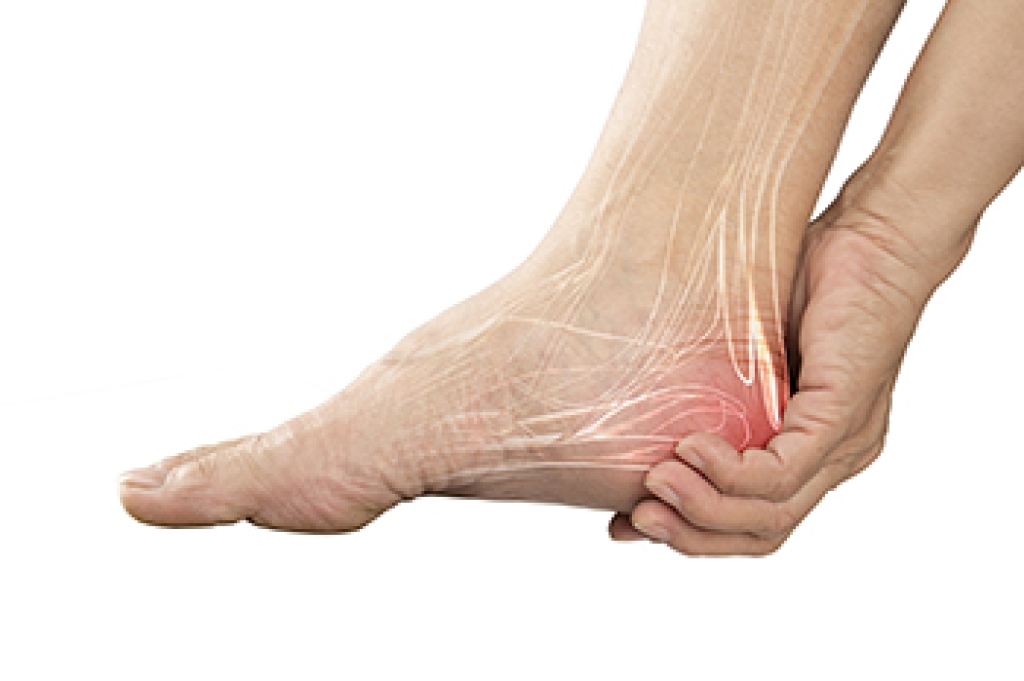
Heel pain is often associated with plantar fasciitis. The plantar fascia is a band of tissues that extends along the bottom of the foot. A rip or tear in this ligament can cause inflammation of the tissue.

Achilles tendonitis is another cause of heel pain. Inflammation of the Achilles tendon will cause pain from fractures and muscle tearing. Lack of flexibility is also another symptom.

Heel spurs are another cause of pain. When the tissues of the plantar fascia undergo a great deal of stress, it can lead to ligament separation from the heel bone, causing heel spurs.

Why Might Heel Pain Occur?

  • Wearing ill-fitting shoes                
  • Wearing non-supportive shoes
  • Weight change           
  • Excessive running

Treatments

Heel pain should be treated as soon as possible for immediate results. Keeping your feet in a stress-free environment will help. If you suffer from Achilles tendonitis or plantar fasciitis, applying ice will reduce the swelling. Stretching before an exercise like running will help the muscles. Using all these tips will help make heel pain a condition of the past.

If you have any questions, please feel free to contact our offices located in San Antonio, Uvalde, and Jourdanton, TX . We offer the newest diagnostic and treatment technologies for all your foot care needs.
Read more about Heel Pain

Connect With Us

Advanced Podiatric Procedures & Services in the San Antonio, TX 78224 and Uvalde, TX 78801 areas