Constant care and regular evaluation are important for a foot or ankle fracture. If left untreated, foot or ankle fractures can worsen over time and create more serious problems.
Don't wait to be examined if you believe you've experienced a foot or ankle fracture.
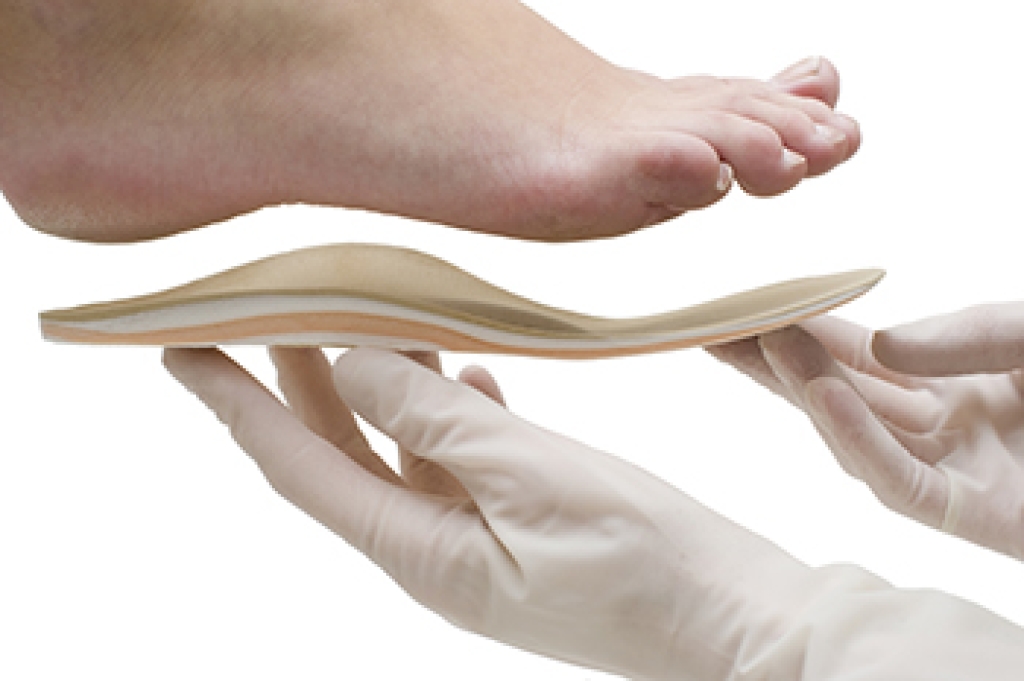
Scores of factory shoe inserts are readily available, but sometimes it becomes necessary to have insoles made specific to your feet. A podiatrist can make a mold for an insole that mirrors the exact contours of your foot. Slipping this into your shoe can increase your stability and balance while also reducing the pressure on the bottom of the foot when you take a step. These pressure points can have a negative effect on plantar fasciitis, poor circulation, and other causes of foot pain. Your podiatrist can also examine your gait–how your foot reacts when you stand or walk–to determine what additional adjustments may be needed to correct things like overpronation, flat feet, high arches, bunions, or metatarsal pressure. Custom orthotics may improve your foot health and keep you on your feet with minimal pain. If you frequently experience foot pain or have ongoing foot problems, it is a good idea to make an appointment with a podiatrist for more information.
If you are having discomfort in your feet and would like to try orthotics, contact Neeta Hasmukh, DPM from Total Podiatry. Our doctor can provide the care you need to keep you pain-free and on your feet.
What Are Orthotics?
Orthotics are inserts you can place into your shoes to help with a variety of foot problems such as flat feet or foot pain. Orthotics provide relief and comfort for minor foot and heel pain but can’t correct serious biomechanical problems in your feet.
Over-the-Counter Inserts
Orthotics come in a wide variety of over-the-counter inserts that are used to treat foot pain, heel pain, and minor problems. For example, arch supports can be inserted into your shoes to help correct overarched or flat feet, while gel insoles are often used because they provide comfort and relief from foot and heel pain by alleviating pressure.
Prescription Orthotics
If over-the-counter inserts don’t work for you or if you have a more severe foot concern, it is possible to have your podiatrist prescribe custom orthotics. These high-quality inserts are designed to treat problems such as abnormal motion, plantar fasciitis, and severe forms of heel pain. They can even be used to help patients suffering from diabetes by treating foot ulcers and painful calluses and are usually molded to your feet individually, which allows them to provide full support and comfort.
If you are experiencing minor to severe foot or heel pain, it’s recommended to speak with your podiatrist about the possibilities of using orthotics. A podiatrist can determine which type of orthotic is right for you and allow you to take the first steps towards being pain-free.
If you have any questions, please feel free to contact our offices located in San Antonio, Uvalde, and Jourdanton, TX. We offer the newest diagnostic and treatment technologies for all your foot care needs.
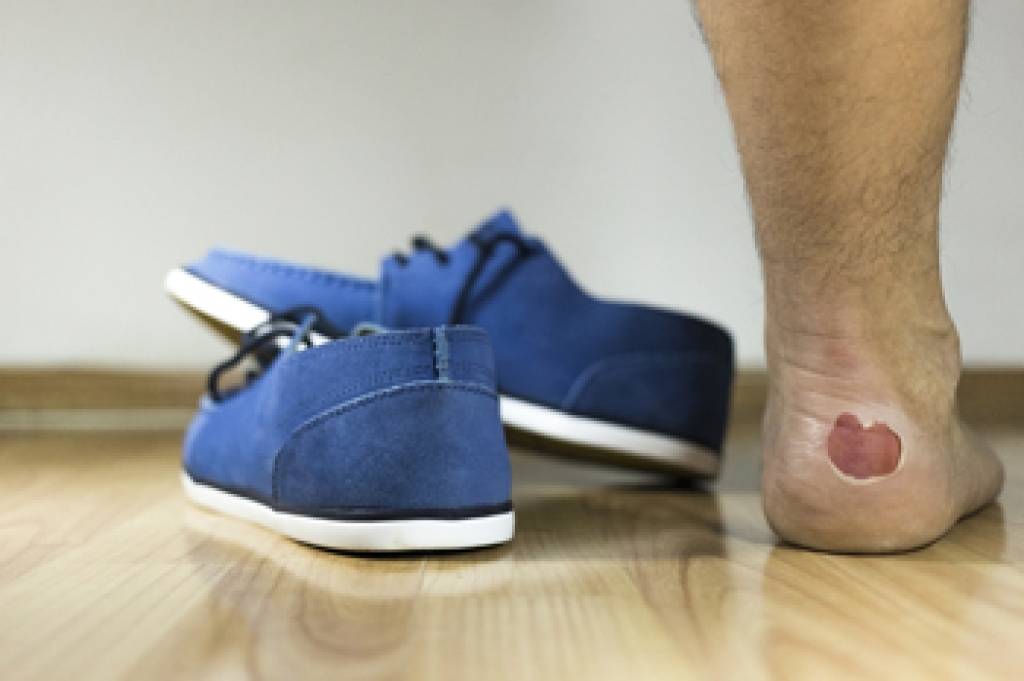
Blisters form when the skin is injured and are the body’s way of protecting itself from further damage. A blister is a bubble of fluid that collects to cushion the injury so the underlying skin can heal. Blisters show up on the feet when there is friction from shoes. If a blister breaks, bacteria can enter the wound and an infection can develop. This can be painful and dangerous if left untreated. Sepsis, or an infection can enter the bloodstream and be life-threatening. Most blisters are tender or painful when they occur but when one is infected, it is more apt to be warm, have oozing pus, have a foul smell, and be swollen. If you have a blister that appears to be infected, bleeds when you touch it, or does not seem to be healing, it is suggested you contact a podiatrist for an examination and proper treatment.
Blisters are prone to making everyday activities extremely uncomfortable. If your feet are hurting, contact Neeta Hasmukh, DPM of Total Podiatry. Our doctor can provide the care you need to keep you pain-free and on your feet.
Foot Blisters
Foot blisters develop as a result of constantly wearing tight or ill-fitting footwear. This happens due to the constant rubbing from the shoe, which can often lead to pain.
What Are Foot Blisters?
A foot blister is a small fluid-filled pocket that forms on the upper-most layer of the skin. Blisters are filled with clear fluid and can lead to blood drainage or pus if the area becomes infected.
How Do Blisters Form?
Blisters on the feet are often the result of constant friction of skin and material, usually by shoe rubbing. Walking in sandals, boots, or shoes that don’t fit properly for long periods of time can result in a blister. Having consistent foot moisture and humidity can easily lead to blister formation.
Prevention & Treatment
It is important to properly care for the affected area in order to prevent infection and ease the pain. Do not lance the blister and use a Band-Aid to provide pain relief. Also, be sure to keep your feet dry and wear proper fitting shoes. If you see blood or pus in a blister, seek assistance from a podiatrist.
If you have any questions, please feel free to contact our offices located in San Antonio, Uvalde, and Jourdanton, TX. We offer the newest diagnostic and treatment technologies for all your foot care needs.
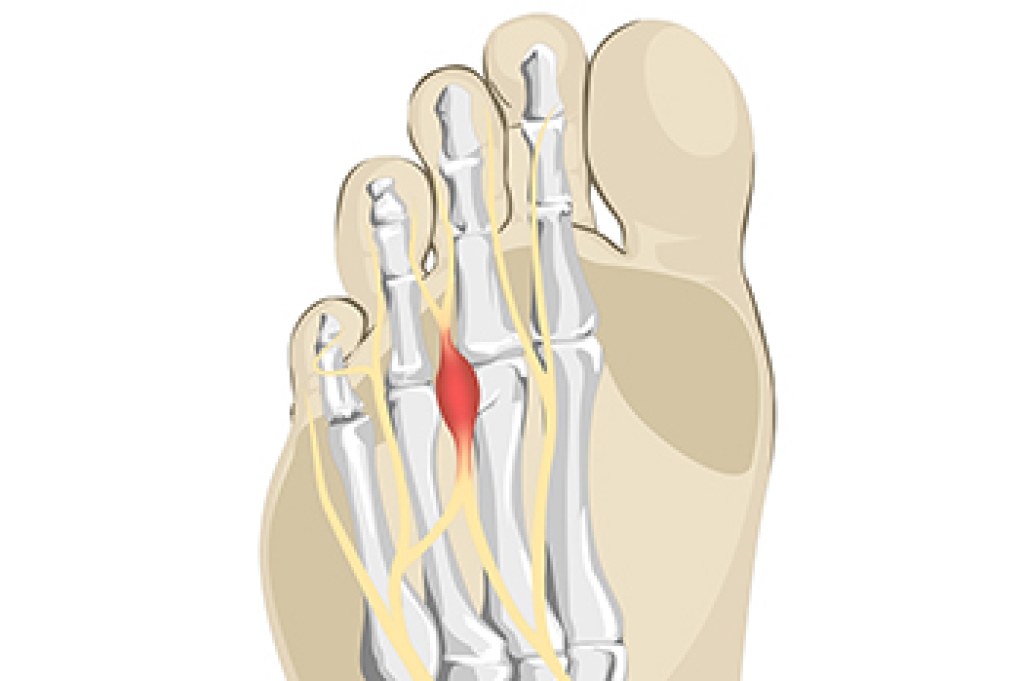
Intermetatarsal neuroma, or Morton’s neuroma, refers to a thickening of nerve tissue surrounding a nerve in the foot that is compressed or irritated. This compression can be the result of wearing high heels or other shoes that force the toes unnaturally into a narrow space. Morton’s neuroma typically occurs between the third and fourth toes. Engaging in certain athletic activities, like court sports or running, can also cause repetitive irritation to the nerves between the toes. Symptoms of Morton’s neuroma include pain, or the sensation of something being under the ball of the foot. There may be numbness, burning, or tingling, or it may feel like there is a bunched up sock or pebble in the front of the shoe. As the neuroma progresses over time, the pain may worsen and permanent nerve damage may occur. That is why it is very important to have your foot examined by a podiatrist if you believe you may have Morton’s neuroma. The earlier the diagnosis, the more likely it is that your podiatrist can treat the issue conservatively, rather than surgically.
Morton’s neuroma is a very uncomfortable condition to live with. If you think you have Morton’s neuroma, contact Neeta Hasmukh, DPM of Total Podiatry. Our doctor will attend to all of your foot care needs and answer any of your related questions.
Morton’s Neuroma
Morton's neuroma is a painful foot condition that commonly affects the areas between the second and third or third and fourth toe, although other areas of the foot are also susceptible. Morton’s neuroma is caused by an inflamed nerve in the foot that is being squeezed and aggravated by surrounding bones.
What Increases the Chances of Having Morton’s Neuroma?
Ill-fitting high heels or shoes that add pressure to the toe or foot
Jogging, running or any sport that involves constant impact to the foot
Flat feet, bunions, and any other foot deformities
Morton’s neuroma is a very treatable condition. Orthotics and shoe inserts can often be used to alleviate the pain on the forefront of the feet. In more severe cases, corticosteroids can also be prescribed. In order to figure out the best treatment for your neuroma, it’s recommended to seek the care of a podiatrist who can diagnose your condition and provide different treatment options.
If you have any questions, please feel free to contact our offices located in San Antonio, Uvalde, and Jourdanton, TX. We offer the newest diagnostic and treatment technologies for all your foot care needs.
Osteoarthritis or OA is a common form of arthritis that can affect any joint in the body. This type of arthritis generally increases with age, and those who are obese, have a genetic predisposition to it, or a prior joint injury are at higher risk. Cartilage in joints wear down, bones are exposed, and they can rub against each other. The base of the big toe is a common site for OA. The joint degenerates and the body may attempt to repair the condition by growing more bone. This reaction can create bony protrusions called bone spurs that appear as a visible bump or callus on the big toe joint. The excess bone growth can lead to fusion of the joint and it can become fixed/non-bending. The joint of the big toe may also look inflamed and swollen. It becomes painful and hard to walk if one cannot bend their toe, and if spurs or bunions develop, they can push uncomfortably against shoes. Usually, OA in the big toe is worse after inactivity, such as when first arising in the morning or after prolonged sitting. Wearing shoes that have sufficient room in the toe box and stiff soles, obtaining pad inserts or arch supports, using ice on the big toe, maintaining a healthy body weight, and/or taking over-the-counter pain relievers can help but there is no cure for OA. If you are suffering with big toe pain, consult with a podiatrist who can properly diagnose the condition and recommend a treatment plan to help you live more comfortably.
Arthritis can be a difficult condition to live with. If you are seeking treatment, contact Neeta Hasmukh, DPM from Total Podiatry. Our doctor can provide the care you need to keep you pain-free and on your feet.
Arthritic Foot Care
Arthritis is a term that is commonly used to describe joint pain. The condition itself can occur to anyone of any age, race, or gender, and there are over 100 types of it. Nevertheless, arthritis is more commonly found in women compared to men, and it is also more prevalent in those who are overweight. The causes of arthritis vary depending on which type of arthritis you have. Osteoarthritis for example, is often caused by injury, while rheumatoid arthritis is caused by a misdirected immune system.
Symptoms
Swelling
Pain
Stiffness
Decreased Range of Motion
Arthritic symptoms range in severity, and they may come and go. Some symptoms stay the same for several years but could potentially get worse with time. Severe cases of arthritis can prevent its sufferers from performing daily activities and make walking difficult.
Risk Factors
Occupation – Occupations requiring repetitive knee movements have been linked to osteoarthritis
Obesity – Excess weight can contribute to osteoarthritis development
Infection – Microbial agents can infect the joints and trigger arthritis
Joint Injuries – Damage to joints may lead to osteoarthritis
Age – Risk increases with age
Gender –Most types are more common in women
Genetics – Arthritis can be hereditary
If you suspect your arthritis is affecting your feet, it is crucial that you see a podiatrist immediately. Your doctor will be able to address your specific case and help you decide which treatment method is best for you.
If you have any questions please feel free to contact our offices located in San Antonio, Uvalde, and Jourdanton, TX. We offer the newest diagnostic tools and technology to treat your foot and ankle needs.