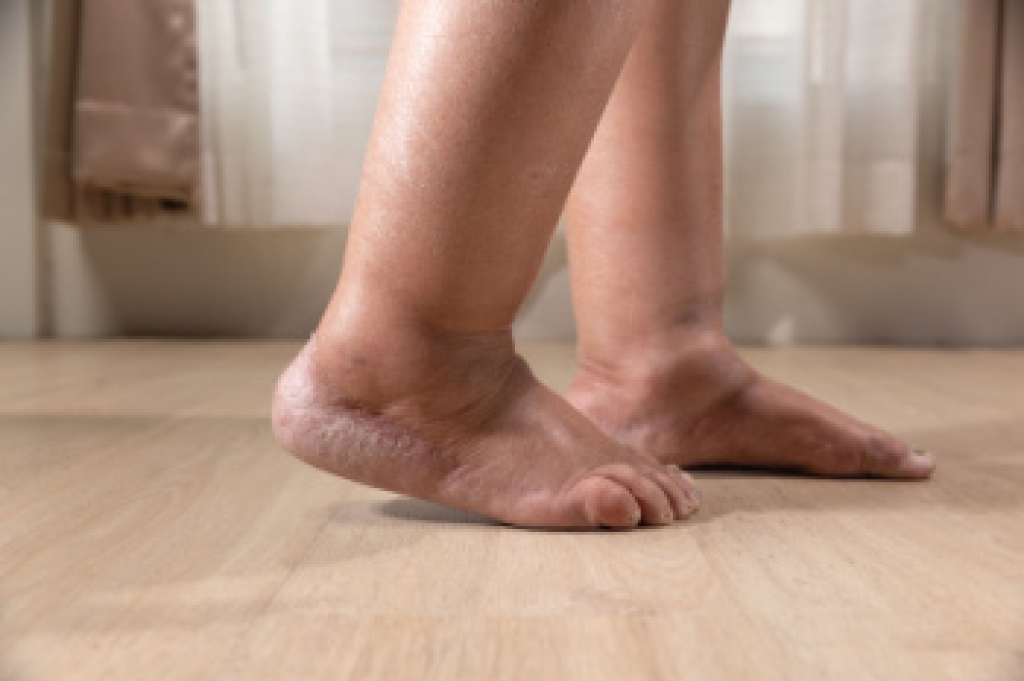
Benefits and Drawbacks of Ankle Fusion Surgery

Ankle fusion surgery, also known as arthrodesis, involves joining the bones of the ankle joint to alleviate pain and improve function. This procedure is often recommended for people with severe arthritis or significant joint damage when other treatments have failed. One major advantage of ankle fusion is the reduction of pain, as the procedure eliminates the damaged joint surfaces. It can also restore stability and improve walking ability. However, there are potential drawbacks to consider. The primary downside is the loss of ankle mobility, which can impact overall movement and flexibility. Additionally, there may be a risk of complications, such as infection or nonunion of the bones. If you are suffering from the above ankle conditions, it is suggested that you consult a podiatrist who can determine if ankle fusion surgery is right for you.

Foot surgery is sometimes necessary to treat a foot ailment. To learn more, contact Neeta Hasmukh, DPM of Total Podiatry. Our doctor will assist you with all of your foot and ankle needs.

When Is Surgery Necessary?

Foot and ankle surgery is generally reserved for cases in which less invasive, conservative procedures have failed to alleviate the problem. Some of the cases in which surgery may be necessary include:

  • Removing foot deformities like bunions and bone spurs
  • Severe arthritis that has caused bone issues
  • Cosmetic reconstruction

What Types of Surgery Are There?

The type of surgery you receive will depend on the nature of the problem you have. Some of the possible surgeries include:

  • Bunionectomy for painful bunions
  • Surgical fusion for realignment of bones
  • Neuropathy decompression surgery to treat nerve damage

Benefits of Surgery

Although surgery is usually a last resort, it can provide more complete pain relief compared to non-surgical methods and may allow you to finally resume full activity.

Surgical techniques have also become increasingly sophisticated. Techniques like endoscopic surgery allow for smaller incisions and faster recovery times.

If you have any questions, please feel free to contact our offices located in San Antonio, Uvalde, and Jourdanton, TX . We offer the newest diagnostic and treatment technologies for all your foot care needs.
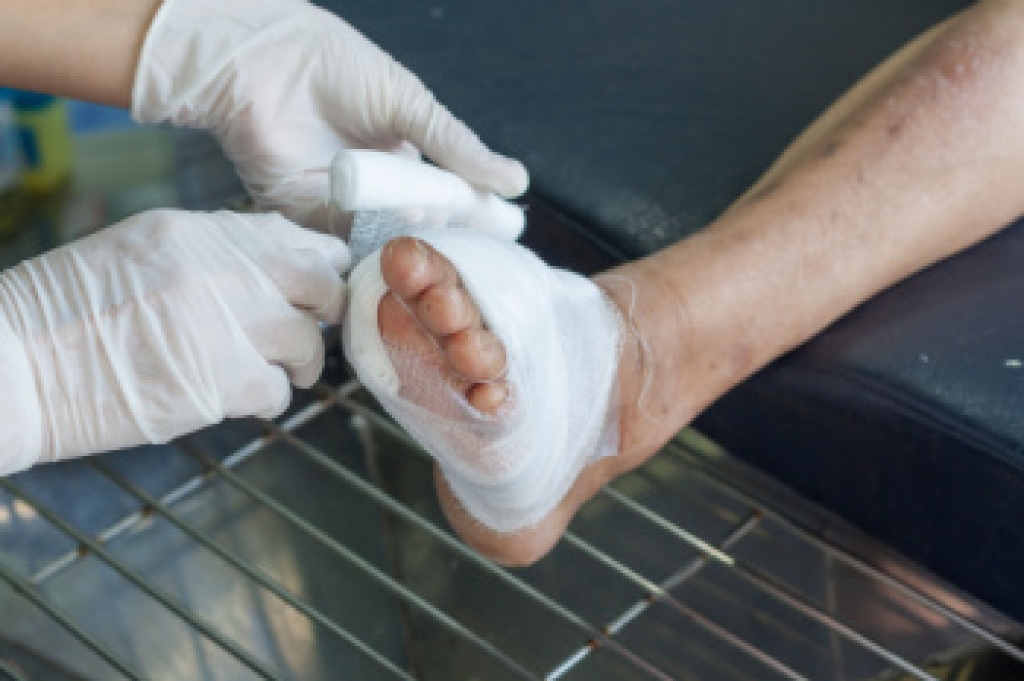

Read more about Foot Surgery

Preventing Diabetic Limb Loss

Preventing limb loss in diabetic patients is a significant health concern, as the majority of nontraumatic lower-limb amputations are linked to diabetic foot ulcers, or DFUs. The rise in diabetes-related amputations, especially among younger adults, underscores the importance of proactive care. Key factors that contribute to amputation can include poor glucose control, unmanaged peripheral neuropathy, and ineffective wound care. Early intervention by a podiatrist is essential to both identify and manage these risk factors. Regular foot assessments, proper wound care, and controlling blood sugar levels can significantly reduce the risk of amputation. Podiatrists play a vital role in these preventative strategies, by performing debridement, managing infections, and recommending appropriate dressings. These combined efforts can halt the progress of an ulcer and decrease the likelihood of an amputation. If you have diabetic foot problems that may lead to a loss of limbs, it is suggested that you schedule regular appointments with a podiatrist for treatment and management options.

Diabetic Limb Salvage

Diabetic limb salvage can be an effective way in preventing the need for limb amputation. If you have a foot ulcer and diabetes, consult with Neeta Hasmukh, DPM from Total Podiatry. Our doctor will assess your condition and provide you with quality foot and ankle treatment.

What Is Diabetic Limb Salvage?

Diabetic limb salvage is the attempt of saving a limb, such as the foot, that has an infected ulcer, from amputation. Podiatrists also try to make sure that there is enough function in the foot after the salvage that it is still usable. Those with diabetes experience poor blood circulation, which prevents proper healing of an ulcer. If the ulcer is left uncheck, it could become infected, which could result in the need for amputation.

Diabetes is the number one cause of non-traumatic amputations in the United States. Amputation has been found to lead to higher mortality rates. This translates into higher healthcare costs, and a reduced quality of life and mobility for amputees. Podiatrists have attempted to increase the prevalence of limb salvage in an attempt to solve these issues.

Diagnosis and Treatment

Limb salvage teams have grown in recent years that utilize a number of different treatments to save the infected limb. This includes podiatrists that specialize in wound care, rehabilitation, orthotics, and surgery. Through a combination of these methods, limb salvage has been found to be an effective treatment for infected limbs, and as an alternative to amputation. Podiatrists will first evaluate the potential for limb salvage and determine if the limb can be saved or must be amputated. 

If you have any questions, please feel free to contact our offices located in San Antonio, Uvalde, and Jourdanton, TX . We offer the newest diagnostic and treatment technologies for all your foot care needs.

Read more about Diabetic Limb Salvage

What Is Turf Toe?

Turf toe is a sprain of the ligaments surrounding the big toe joint, typically occurring in athletes who play on artificial turf, though it can affect anyone engaged in activities that involve pushing off the big toe forcefully. Turf toe is usually caused by repetitive hyperextension of the big toe, often when an athlete  or dancer pushes off the ground. The injury is classified into three grades. Grade 1 involves mild stretching of the ligaments, causing minor pain and swelling. Grade 2 includes partial tearing, leading to moderate pain, bruising, and difficulty in movement. Grade 3 is a complete tear, resulting in severe pain, significant swelling, and joint instability. Symptoms of turf toe include pain, swelling, and limited range of motion in the big toe. Diagnosis is made through a physical exam and imaging studies like X-rays. Treatment varies by grade, ranging from rest for milder cases to immobilization or surgery for severe injuries. If you are suffering with what you think might be turf toe, it is suggested that you consult a podiatrist for a proper diagnosis and treatment.

Ankle and foot injuries are common among athletes and in many sports. They can be caused by several problems and may be potentially serious. If you are feeling pain or think you were injured in a sporting event or when exercising, consult with Neeta Hasmukh, DPM from Total Podiatry. Our doctor will assess your condition and provide you with quality foot and ankle treatment.

Common Injuries

The most common injuries that occur in sporting activities include:

  • Achilles Tendonitis
  • Achilles Tendon Rupture
  • Ankle Sprains
  • Broken Foot
  • Plantar Fasciitis
  • Stress Fractures
  • Turf Toe

Symptoms

Symptoms vary depending upon the injury and in some cases, there may be no symptoms at all. However, in most cases, some form of symptom is experienced. Pain, aching, burning, bruising, tenderness, tightness or stiffness, sensation loss, difficulty moving, and swelling are the most common symptoms.

Treatment

Just as symptoms vary depending upon the injury, so do treatment options. A common treatment method is known as the RICE method. This method involves rest, applying ice, compression and elevating the afflicted foot or ankle. If the injury appears to be more serious, surgery might be required, such as arthroscopic or reconstructive surgery. Lastly, rehabilitation or therapy might be needed to gain full functionality in the afflicted area. Any discomfort experienced by an athlete must be evaluated by a licensed, reputable medical professional.  

If you have any questions please contact our offices located in San Antonio, Uvalde, and Jourdanton, TX . We offer the newest diagnostic and treatment technologies for all your foot and ankle needs.

Read more about Sports Related Foot and Ankle Injuries

Causes of Swollen Feet From Daily Activities

Swollen feet, or edema, can result from various factors. Spending long hours on your feet, such as during extended work shifts or prolonged standing, can cause fluid to accumulate in the lower extremities. Excessive salt intake contributes to fluid retention, exacerbating swelling. Injuries, such as sprains or fractures, often lead to localized swelling as part of the body's inflammatory response. Pregnancy also commonly causes swollen feet due to increased blood volume and pressure on the veins. Each of these causes affects fluid balance and circulation, leading to discomfort and visible swelling. If you notice your ankles and feet have become swollen, it is suggested that you contact a podiatrist who can accurately determine the cause, and offer you effective relief methods.

Swollen feet can be a sign of an underlying condition. If you have any concerns, contact Neeta Hasmukh, DPM of Total Podiatry. Our doctor can provide the care you need to keep you pain-free and on your feet.

Swollen feet are a common ailment among pregnant women and people who stand or sit for extended periods. Aging may increase the possibility of swollen feet and patients who are obese often notice when their feet are swelling too. There may be medical reasons why swollen feet occur:

  • Phlebitis - A condition that causes the veins to become inflamed and can also cause leg pain.
  • Liver disease - This may lead to low blood levels of albumin which is a protein. This can cause fluid in the blood to pass into the tissues and several areas of the body can become swollen.
  • Heart failure - When the heart doesn’t pump properly the blood that is normally pumped back to the heart can pool in the veins of the legs causing swollen feet.
  • Kidney disease - One of the main functions of the kidneys is releasing excess fluid in the body. This type of condition can make it difficult for the kidneys to function properly, and as a result the feet may become swollen.
  • Deep-vein thrombosis (DVT)- This is a serious condition where blood clots form in the veins of the legs. They can block the return of blood from the legs to the heart which may cause the feet to swell. It is important to be treated by a podiatrist if this condition is present.

Swollen feet can also be caused by bone and tendon conditions, including fractures, arthritis, and tendinitis. Additionally, there may be skin and toenail conditions and an infection may cause the feet to swell. Patients who take medicine to treat high blood pressure may be prone to getting swollen feet. 

Many patients elevate their feet to help relieve the swelling and this is generally a temporary remedy. When a podiatrist is consulted the reason behind the swelling can be uncovered and subsequently treated.

If you have any questions please contact our offices located in San Antonio, Uvalde, and Jourdanton, TX . We offer the newest diagnostic and treatment technologies for all your foot and ankle needs.

Read more about Swelling of the Feet

Connect With Us

Advanced Podiatric Procedures & Services in the San Antonio, TX 78224 and Uvalde, TX 78801 areas