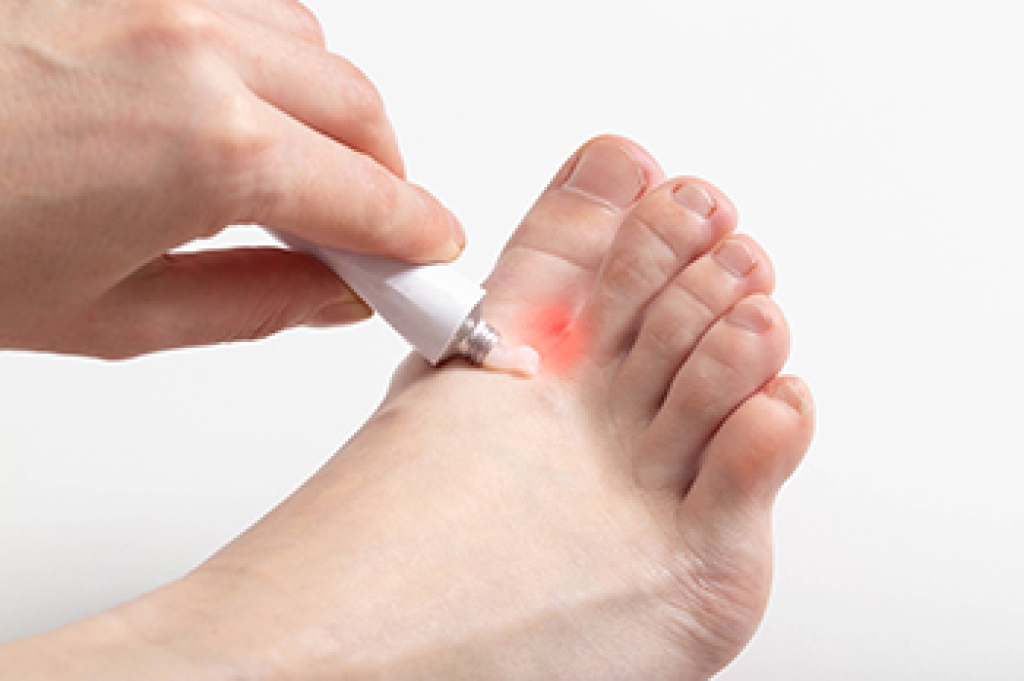
Types of Athlete's Foot

The most common type of athlete’s foot is referred to as chronic interdigital. Symptoms that are associated with this condition often include itchiness between the toes and on the bottom of the foot. It can develop as a result of wearing shoes that are too small, and this can create a warm environment that is perfect for fungus to grow in. The least common type of athlete’s foot is known as vesicular, and this can produce blisters that are painful on the bottom or top of the foot. Athlete’s foot is contagious and may be prevented by wearing appropriate shoes in public showers. If you have developed this uncomfortable foot condition, it is strongly suggested that you consult with a podiatrist who can begin the correct treatment for you.

Athlete’s foot is an inconvenient condition that can be easily reduced with the proper treatment. If you have any concerns about your feet and ankles, contact Neeta Hasmukh, DPM from Total Podiatry.  Our doctor will treat your foot and ankle needs.

Athlete’s Foot: The Sole Story

Athlete's foot, also known as tinea pedis, can be an extremely contagious foot infection. It is commonly contracted in public changing areas and bathrooms, dormitory style living quarters, around locker rooms and public swimming pools, or anywhere your feet often come into contact with other people.

Solutions to Combat Athlete’s Foot

  • Hydrate your feet by using lotion
  • Exfoliate
  • Buff off nails
  • Use of anti-fungal products
  • Examine your feet and visit your doctor if any suspicious blisters or cuts develop

Athlete’s foot can cause many irritating symptoms such as dry and flaking skin, itching, and redness. Some more severe symptoms can include bleeding and cracked skin, intense itching and burning, and even pain when walking. In the worst cases, Athlete’s foot can cause blistering as well. Speak to your podiatrist for a better understanding of the different causes of Athlete’s foot, as well as help in determining which treatment options are best for you.

If you have any questions please feel free to contact our offices located in San Antonio, Uvalde, and Jourdanton, TX . We offer the newest diagnostic and treatment technologies for all your foot and ankle needs.

Read more about Athlete's Foot

Blue or Purple Feet Can Be a Sign of Trouble

If you drop something on your foot, it will likely turn purple or blue from bruising. This is normal, and the common solutions of rest, ice, elevation, and compression should help ease the pain as your foot heals. However, chronic discoloration of the feet can be a sign of restricted blood flow brought on by other conditions. Among them are diabetic neuropathy, peripheral artery disease (PAD), lupus, or Raynaud’s disease. In some way all of these conditions limit the flow of blood to the extremities and can cause foot swelling, discoloration and numbness. If you notice that your feet have changed color for longer periods, it may be wise to consult a podiatrist who can offer a complete examination and diagnosis of your feet and recommend the best treatment options for you.

Everyday foot care is very important to prevent infection and other foot ailments. If you need your feet checked, contact Neeta Hasmukh, DPM from Total Podiatry. Our doctor can provide the care you need to keep you pain-free and on your feet.

Everyday Foot Care

Often, people take care of their bodies, face and hair more so than they do for their feet. But the feet are a very important aspect of our bodies, and one that we should pay more attention to. Without our feet, we would not be able to perform most daily tasks.

It is best to check your feet regularly to make sure there are no new bruises or cuts that you may not have noticed before. For dry feet, moisturizer can easily be a remedy and can be applied as often as necessary to the affected areas. Wearing shoes that fit well can also help you maintain good foot health, as well as making it easier to walk and do daily activities without the stress or pain of ill-fitting shoes, high heels, or even flip flops. Wearing clean socks with closed shoes is important to ensure that sweat and bacteria do not accumulate within the shoe. Clean socks help to prevent Athlete’s foot, fungi problems, bad odors, and can absorb sweat.

If you have any questions, please feel free to contact our offices located in San Antonio, Uvalde, and Jourdanton, TX . We offer the newest diagnostic and treatment technologies for all your foot care needs.

Read more about Every Day Foot Care

What Podiatrists Can Do for Ankle Sprains

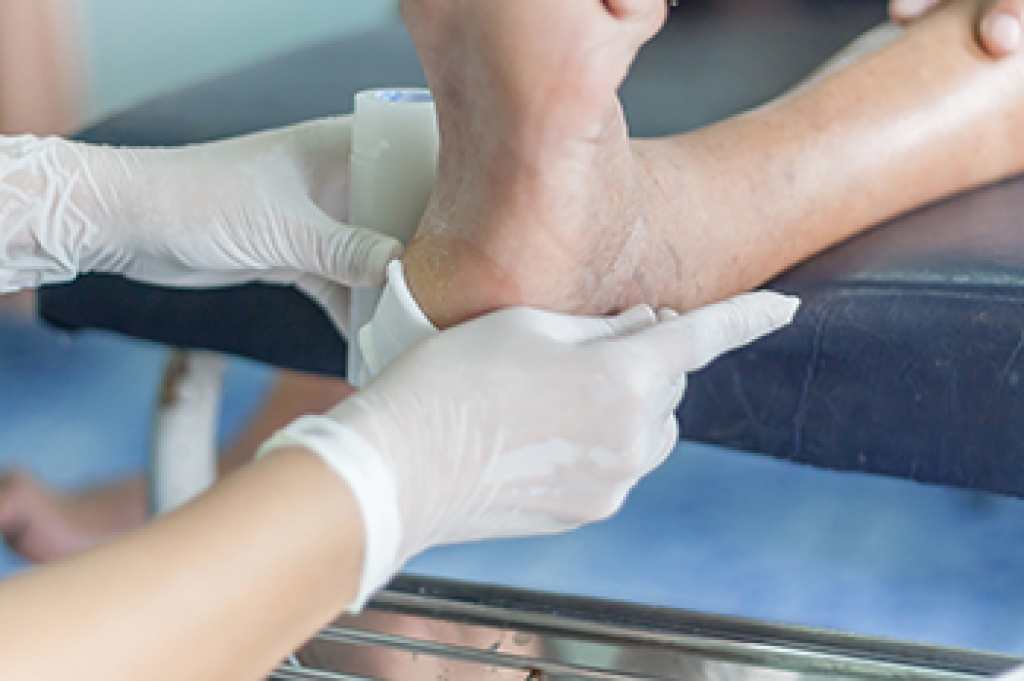
Ankle sprains are one of the most common injuries to occur when playing sports. They occur when the ligaments that connect the bones to the joints become over stretched or torn because of a sudden twist or force. Signs of an ankle sprain include ankle swelling, bruising, pain, difficulty bending the ankle, or difficulty bearing weight with the ankle. Patients who are unable to walk with their injured ankle, have significant swelling, or haven’t seen any signs of progress after a few days, should consult with a podiatrist for treatment. Ultimately, differentiating between an ankle sprain and an ankle fracture can be very difficult. Therefore, patients who believe that they have sprained their ankle should consult with a podiatrist who can evaluate and diagnose the injury.  

Ankle sprains are common but need immediate attention. If you need your feet checked, contact Neeta Hasmukh, DPM from Total Podiatry. Our doctor can provide the care you need to keep you pain-free and on your feet.

How Does an Ankle Sprain Occur?

Ankle sprains take place when the ligaments in your ankle are torn or stretched beyond their limits. There are multiple ways that the ankle can become injured, including twisting or rolling over onto your ankle, putting undue stress on it, or causing trauma to the ankle itself.

What Are the Symptoms?

  • Mild to moderate bruising
  • Limited mobility
  • Swelling
  • Discoloration of the skin (depending on severity)

Preventing a Sprain

  • Wearing appropriate shoes for the occasion
  • Stretching before exercises and sports
  • Knowing your limits

Treatment of a Sprain

Treatment of a sprain depends on the severity.  Many times, people are told to rest and remain off their feet completely, while others are given an air cast. If the sprain is very severe, surgery may be required.

If you have suffered an ankle sprain previously, you may want to consider additional support such as a brace and regular exercises to strengthen the ankle.

If you have any questions please feel free to contact our offices located in San Antonio, Uvalde, and Jourdanton, TX . We offer the newest diagnostic tools and technology to treat your foot and ankle needs.

Read more about Ankle Sprains

Ways to Lower the Risk of a Running Injury

Runners understand the joy the sport brings, however, they are also aware of the possible pain that can come with the activity as well. About 70 percent of all runners injure themselves each year. They may run too fast, too far, or too soon after a previous injury. Luckily, a number of simple guidelines can keep runners on the move. If you are new to running, it’s wise to take it in phases that include walk-run activity. Try not to increase your activity more than 10 percent a week, and try to avoid running more than 45 miles per week, because after that distance, injury is more likely to occur. It’s important to listen to your feet and avoid running through pain. Give your feet and legs a chance to heal before renewing activity. Find running shoes that fit your feet well and cushion your heels, and get new ones after 500 miles. Finally, there are a number of stretching and strengthening exercises you can do to help avoid injuries. If you run consistently, it’s a good idea to plan regular visits with a podiatrist, who can examine your feet, identify any problems, and make custom orthotics as needed. 

Exercising your feet regularly with the proper foot wear is a great way to prevent injuries. If you have any concerns about your feet, contact Neeta Hasmukh, DPM of Total Podiatry. Our doctor will treat your foot and ankle needs.

How to Prevent Running Injuries

Many common running injuries are caused by overuse and overtraining. When the back of the kneecap starts wearing out and starts causing pain in your knee, this is commonly referred to as runner’s knee. Runner’s knee is a decrease in strength in your quadriceps and can occur if you’re not wearing properly fitted or supporting shoes. To prevent runner’s knee, focusing on hip strengthening is a good idea, as well as strengthening your quads to keep the kneecaps aligned.

What Are Some Causes of Running Injuries? 
- One cause of a common running injury is called iliotibial band syndrome.
- Plantar fasciitis is also another common injury.
- Stress fractures can occur from overtraining, lack of calcium, or even your running style.

Best Ways to Prevent Running Injuries
- Wear footwear that fits properly and suits your running needs.
- Running shoes are the only protective gear that runners have to safeguard them from injury.
- Make a training schedule. Adding strengthening exercises as well as regular stretching can help keep you strong and limber and can lessen the possibility of injuries.
- Stretching keeps muscles limber; this will help you gain better flexibility.

If you have any questions, please feel free to contact our offices located in San Antonio, Uvalde, and Jourdanton, TX . We offer the newest diagnostic and treatment technologies for all your foot care needs.

Read more about How to Prevent Running Injuries

Connect With Us

Advanced Podiatric Procedures & Services in the San Antonio, TX 78224 and Uvalde, TX 78801 areas