Fractured Ankles in Children

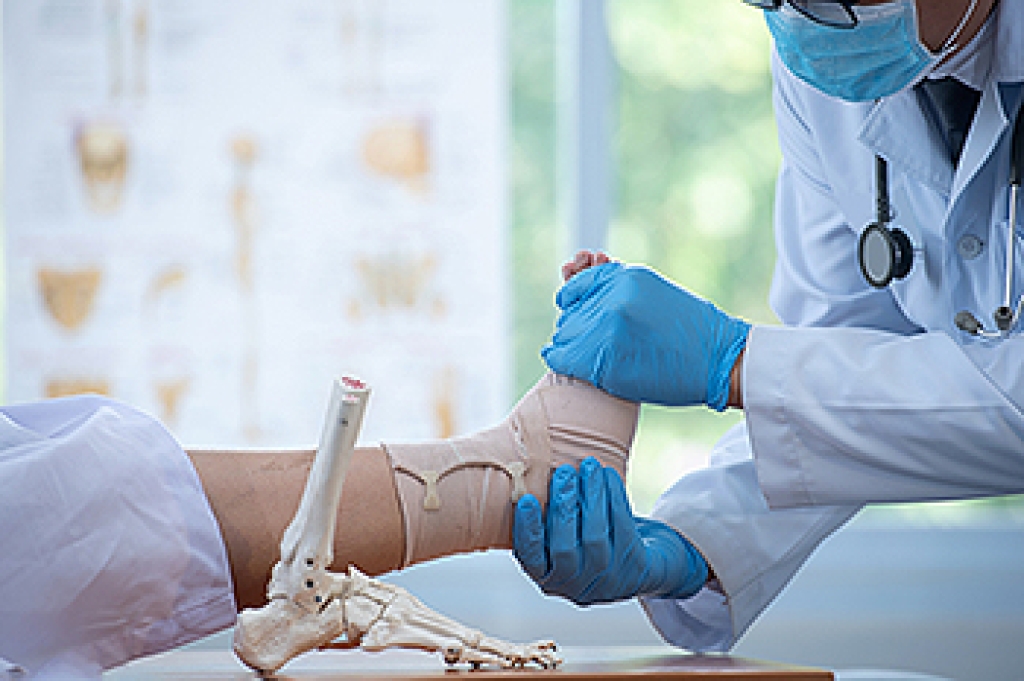
A fracture of a child’s ankle is when one or more bones are broken in the ankle. A child who has broken their ankle may experience pain and bruising as well as trouble putting weight on their ankle or foot. If this happens, medical help should be sought from a podiatrist who will examine the ankle, do an imaging test, and provide appropriate treatment based on the results. Usually, a support device such as a brace, cast, or splint will be provided to protect the ankle and help the child limit movement. Crutches may need to be used with such a device to decrease pain and help with mobility. Pain medication and further intervention might be needed as well, depending on the severity of the injury. To enable healing, the child should rest his or her ankle and elevate it above the heart level as much as possible. If your child has hurt his or her ankle and is in pain, it is suggested that a podiatrist be seen as soon as possible.

Broken ankles need immediate treatment. If you are seeking treatment, contact Neeta Hasmukh, DPM from Total Podiatry. Our doctor can provide the care you need to keep you pain-free and on your feet. 

Broken Ankles
A broken ankle is experienced when a person fractures their tibia or fibula in the lower leg and ankle area. Both of these bones are attached at the bottom of the leg and combine to form what we know to be our ankle.

When a physician is referring to a break of the ankle, he or she is usually referring to a break in the area where the tibia and fibula are joined to create our ankle joint. Ankles are more prone to fractures because the ankle is an area that suffers a lot of pressure and stress. There are some obvious signs when a person experiences a fractured ankle, and the following symptoms may be present.

Symptoms of a Fractured Ankle

  • Excessive pain when the area is touched or when any pressure is placed on the ankle
  • Swelling around the area
  • Bruising of the area
  • Area appears to be deformed

If you suspect an ankle fracture, it is recommended to seek treatment as soon as possible. The sooner you have your podiatrist diagnose the fracture, the quicker you’ll be on the way towards recovery.

If you have any questions, please feel free to contact our offices located in San Antonio, Uvalde, and Jourdanton, TX . We offer the newest diagnostic and treatment technologies for all your foot care needs.

Read more about All About Broken Ankles

Children’s Foot Odor

Children’s feet perspire more when compared to adult feet. When moisture is present, bacteria are encouraged. Skin oils and dead skin cells also attract bacteria. The bacteria produce organic acid wastes and sulfur compounds that smell like rotten eggs. Overactive sweat glands can also trigger foot sweating. Sometimes, infection, chronic disease, or hormonal imbalances can also lead to this affliction. Taking care of excessive foot perspiration in childhood will help prevent the problem in adulthood. Wearing shoes made of breathable material provides air circulation and discourages bacteria growth. Rotating shoes so the child does not wear the same pair every day will also help allow shoes to dry out between wearing. Clean socks should be worn every day and changed after sports participation to reduce odor. Keeping such odor under control also requires washing the feet daily and making sure they are thoroughly dried. If your child suffers from persistent foot odor, take them to a podiatrist to have the problem evaluated and determine whether it is part of normal development, or if special treatment is required.

Making sure that your children maintain good foot health is very important as they grow. If you have any questions, contact Neeta Hasmukh, DPM of Total Podiatry. Our doctor can provide the care you need to keep you pain-free and on your feet.

Keeping Children's Feet Healthy

Having healthy feet during childhood can help prevent medical problems later in life, namely in the back and legs. As children grow, their feet require different types of care. Here are some things to consider...

Although babies do not walk yet, it is still very important to take care of their feet.

Avoid putting tight shoes or socks on his or her feet.

Allow the baby to stretch and kick his or her feet to feel comfortable.

As a toddler, kids are now on the move and begin to develop differently. At this age, toddlers are getting a feel for walking, so don’t be alarmed if your toddler is unsteady or ‘walks funny’. 

As your child gets older, it is important to teach them how to take care of their feet.

Show them proper hygiene to prevent infections such as fungus.

Be watchful for any pain or injury.

Have all injuries checked by a doctor as soon as possible.

Comfortable, protective shoes should always be worn, especially at play.

If you have any questions, please feel free to contact our offices located in San Antonio, Uvalde, and Jourdanton, TX . We offer the newest diagnostic and treatment technologies for all your foot care needs.
Read more about What to Do to Keep Your Child’s Feet Healthy

Causes of Flat Feet

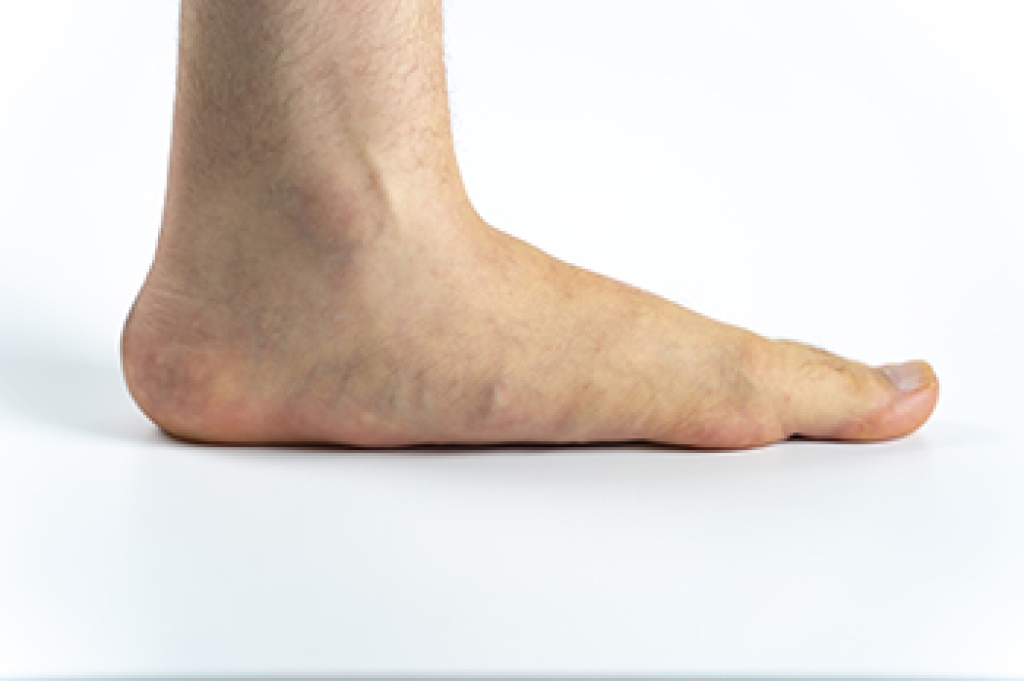
Flat feet are a common condition of the foot that does not have an arch or some elevation in the middle of the forefoot. They can develop in people of all ages and genders. Flat feet can result in tired feet as well as foot and ankle pain. Feet can swell and the Achilles tendon can get damaged from excessive pressure on the foot. Bunions can also form. Flat feet can be a result of ill-fitting shoes, wearing the wrong types of shoes for too long, swollen feet, gait changes, genetics, obesity, and certain medical conditions like rheumatoid arthritis. If you put your feet on the ground and they are flush with the floor, you likely have flat feet. If you have foot pain or want to prevent problems that can occur from flat feet, see a podiatrist who can help with shoe suggestions, orthotics, and other treatment options.

Flatfoot is a condition many people suffer from. If you have flat feet, contact Neeta Hasmukh, DPM from Total Podiatry. Our doctor will treat your foot and ankle needs.

What Are Flat Feet?

Flatfoot is a condition in which the arch of the foot is depressed and the sole of the foot is almost completely in contact with the ground. About 20-30% of the population generally has flat feet because their arches never formed during growth.

Conditions & Problems:

Having flat feet makes it difficult to run or walk because of the stress placed on the ankles.

Alignment – The general alignment of your legs can be disrupted, because the ankles move inward which can cause major discomfort.

Knees – If you have complications with your knees, flat feet can be a contributor to arthritis in that area.  

Symptoms

  • Pain around the heel or arch area
  • Trouble standing on the tip toe
  • Swelling around the inside of the ankle
  • Flat look to one or both feet
  • Having your shoes feel uneven when worn

Treatment

If you are experiencing pain and stress on the foot you may weaken the posterior tibial tendon, which runs around the inside of the ankle. 

If you have any questions, please feel free to contact our offices located in San Antonio, Uvalde, and Jourdanton, TX . We offer the newest diagnostic and treatment technologies for all your foot care needs.

Read more about Flat Feet

Achilles Tendon Pain

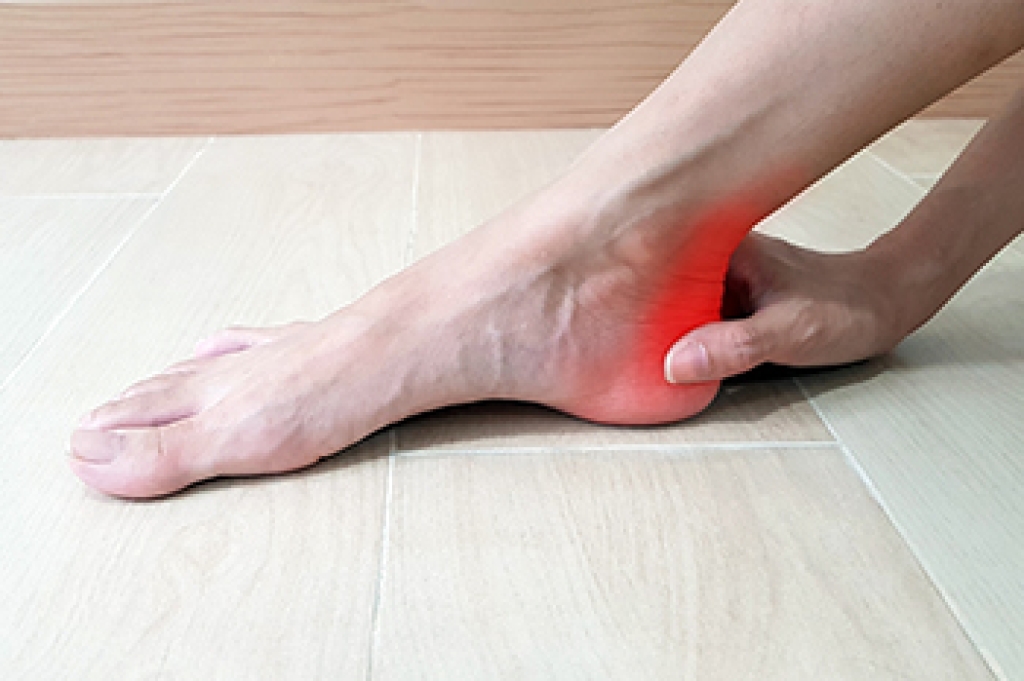
The Achilles tendon connects the muscles of the calf and lower leg to the heel bone. When it is stretched beyond its limits, it can become inflamed (called tendonitis) or tear (also known as a rupture). Injuries to the Achilles tendon can cause mild to severe pain and stiffness. Achilles tendonitis can come on from a variety of reasons, including sudden increase in exercise, insufficient stretching of the calf muscle, flat feet, a bony spur on the back of the ankle, or leg length differences. The pain one feels with this inflammatory condition can be felt near the bottom of the calf muscle, along the tendon, or near the heel bone and is described as a burning sensation that worsens with activity. There may be mild swelling and warmth in the affected area and some stiffness, especially before warming up. Untreated, tendonitis can progress to tendinosis, which is when the collagen fibers that make up the tendon break down. There is no inflammation with tendinosis, but scar tissue may result from this and lead to permanent thickening. An Achilles tendon rupture is rarer but happens when the tendon fibers tear and separate completely or in part. This can occur from sudden force being exerted on the tendon, severe overstretching causing the tendon to tear, or taking a type of antibiotic called fluoroquinolones. This will bring on severe heel pain and an inability to walk or bear weight on the foot. If you feel Achilles tendon pain, it is best to consult with a podiatrist for a proper diagnosis and treatment that is right for you.

Achilles tendon injuries need immediate attention to avoid future complications. If you have any concerns, contact Neeta Hasmukh, DPM of Total Podiatry. Our doctor can provide the care you need to keep you pain-free and on your feet.

What Is the Achilles Tendon?

The Achilles tendon is a tendon that connects the lower leg muscles and calf to the heel of the foot. It is the strongest tendon in the human body and is essential for making movement possible. Because this tendon is such an integral part of the body, any injuries to it can create immense difficulties and should immediately be presented to a doctor.

What Are the Symptoms of an Achilles Tendon Injury?

There are various types of injuries that can affect the Achilles tendon. The two most common injuries are Achilles tendinitis and ruptures of the tendon.

Achilles Tendinitis Symptoms

  • Inflammation
  • Dull to severe pain
  • Increased blood flow to the tendon
  • Thickening of the tendon

Rupture Symptoms

  • Extreme pain and swelling in the foot
  • Total immobility

Treatment and Prevention

Achilles tendon injuries are diagnosed by a thorough physical evaluation, which can include an MRI. Treatment involves rest, physical therapy, and in some cases, surgery. However, various preventative measures can be taken to avoid these injuries, such as:

  • Thorough stretching of the tendon before and after exercise
  • Strengthening exercises like calf raises, squats, leg curls, leg extensions, leg raises, lunges, and leg presses

If you have any questions please feel free to contact our offices located in San Antonio, Uvalde, and Jourdanton, TX . We offer the newest diagnostic tools and technology to treat your foot and ankle needs.

Read more about Achilles Tendon Injuries

It's Time for Beautiful Feet

You don't need an excuse to have beautiful nails. Step outside without worrying about the appearance of your feet.

Connect With Us

Advanced Podiatric Procedures & Services in the San Antonio, TX 78224 and Uvalde, TX 78801 areas