The Importance of Stretching for Healthy Feet

Stretching plays a vital role in maintaining healthy feet and overall well-being. It offers numerous benefits, such as improved flexibility, better circulation, reduced risk of injury, and less pain. By incorporating a few minutes of stretching into your daily routine, you can experience these advantages. Morning stretches can be instinctive, where your body subconsciously stretches to modify tension in the feet, surrounding muscles, organs, and blood vessels. Sitting or standing for extended periods can lead to muscle tightness and discomfort. Incorporating stretching breaks can help ease tension in the neck, back, hips, legs, and feet. Stretching before bedtime can promote relaxation and improved sleep quality. If you would like more information about specific stretches that will help your feet, it is suggested that you make an appointment with a podiatrist who can provide this type of information.

Stretching the feet is a great way to prevent injuries. If you have any concerns with your feet consult with Neeta Hasmukh, DPM from Total Podiatry. Our doctor will assess your condition and provide you with quality foot and ankle treatment.

Stretching the Feet

Stretching the muscles in the foot is an important part in any physical activity. Feet that are tight can lead to less flexibility and make you more prone to injury. One of the most common forms of foot pain, plantar fasciitis, can be stretched out to help ease the pain. Stretching can not only ease pain from plantar fasciitis but also prevent it as well. However, it is important to see a podiatrist first if stretching is right for you. Podiatrists can also recommend other ways to stretch your feet. Once you know whether stretching is right for you, here are some excellent stretches you can do.

  • Using a foam roller or any cylindrical object (a water bottle or soda can will do), roll the object under your foot back and forth. You should also exert pressure on the object. Be sure to do this to both feet for a minute. Do this exercise three times each.
  • Similar to the previous one, take a ball, such as a tennis ball, and roll it under your foot while seated and exert pressure on it.
  • Grab a resistance band or towel and take a seat. If you are using a towel, fold it length wise. Next put either one between the ball of your foot and heel and pull with both hands on each side towards you. Hold this for 15 seconds and then switch feet. Do this three times for each foot.
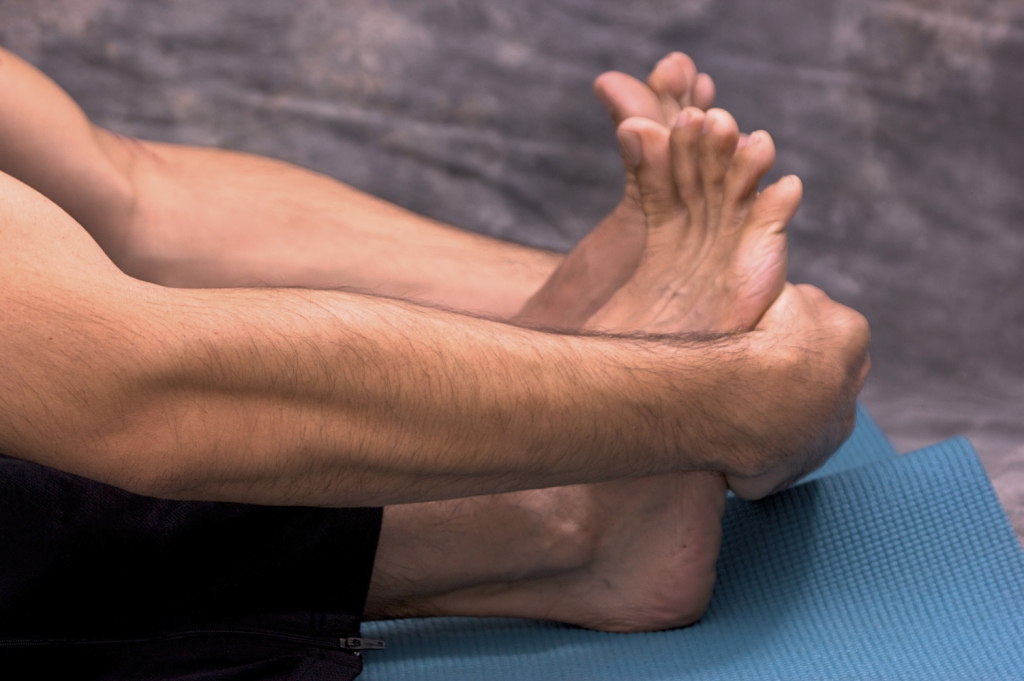
  • Finally hold your big toe while crossing one leg over the other. Pull the toe towards you and hold for 15 seconds. Once again do this three times per foot.

It is best to go easy when first stretching your foot and work your way up. If your foot starts hurting, stop exercising and ice and rest the foot. It is advised to then see a podiatrist for help.

If you have any questions please contact our offices located in San Antonio, Uvalde, and Jourdanton, TX . We offer the newest diagnostic and treatment technologies for all your foot and ankle needs.

Read more about Stretching Your Feet

Why Live with Pain and Numbness in Your Feet?

Suffering from this type of pain? You may have the foot condition known as Morton's neuroma. Morton's neuroma may develop as a result of ill-fitting footwear and existing foot deformities. We can help.

Treatment Methods for a Broken Toe

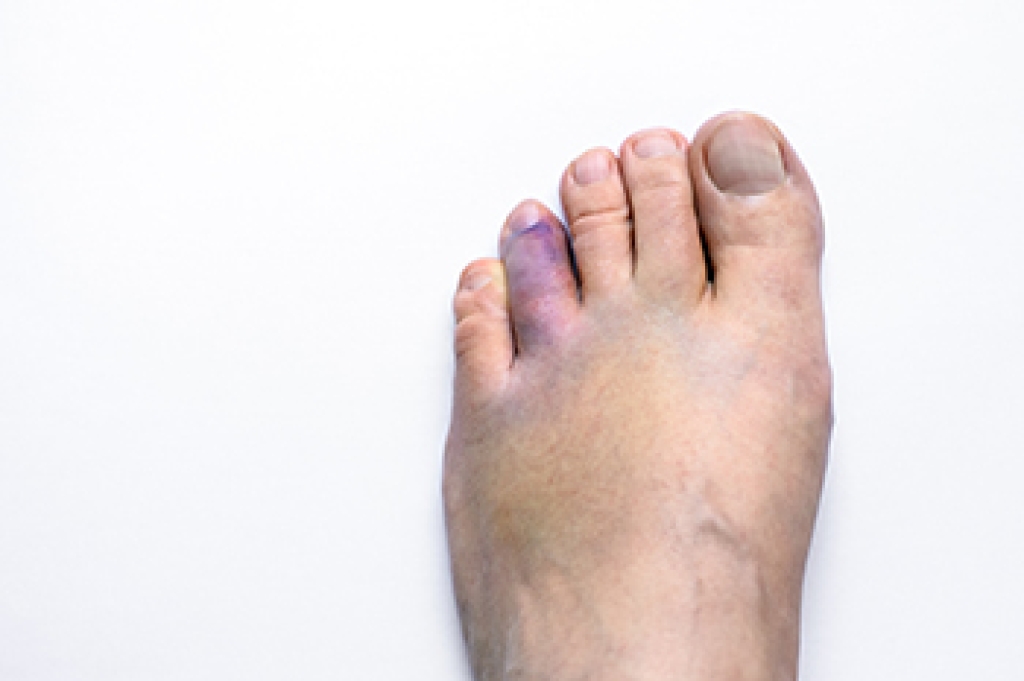
A broken toe can be painful. Despite the discomfort it can cause, it is generally not a serious injury. A broken toe can happen from stubbing it into a piece of furniture, or from dropping a heavy object on it. Bruising, swelling, and the inability to walk are common symptoms that can be experienced with a broken toe. A severely broken toe may have a protruding bone, and surgery may be required to align it properly. The buddy taping method is effective in treating toes that are mildly fractured. This is done by taping the affected toe to the toe next to it. This treatment method is generally successful in providing the necessary stability as the healing process occurs. Mild relief may be found if the foot is frequently elevated, which may help to reduce some of the swelling. If you have fractured your toe, it is suggested that you confer with a podiatrist who can diagnose and treat this condition.

Broken toes may cause a lot of pain and should be treated as soon as possible. If you have any concerns about your feet, contact Neeta Hasmukh, DPM from Total Podiatry. Our doctor will treat your foot and ankle needs.

What Is a Broken Toe?

A broken toe occurs when one or more of the toe bones of the foot are broken after an injury. Injuries such as stubbing your toe or dropping a heavy object on it may cause a toe fracture.

Symptoms of a Broken Toe

  • Swelling
  • Pain (with/without wearing shoes)
  • Stiffness
  • Nail Injury

Although the injured toe should be monitored daily, it is especially important to have a podiatrist look at your toe if you have severe symptoms. Some of these symptoms include worsening or new pain that is not relieved with medication, sores, redness, or open wounds near the toe.

If you have any questions please feel free to contact our offices located in San Antonio, Uvalde, and Jourdanton, TX . We offer the newest diagnostic tools and technology to treat your foot and ankle needs.

Read more about What to Know About a Broken Toe

Causes of Foot Pain After Running

Running has become a popular method of keeping physically fit, but it can also come at a price. Besides having a certain level of fatigue, running can also cause painful injuries to the feet. Several factors can contribute to foot pain after running, but experts believe that ignoring the pain can often make matters worse. The top three causes of most foot pain are being overweight, overtraining, and wearing improper or ill-fitting shoes. Wearing shoes that do not fit well or are the wrong type of shoe for the terrain on which running takes place can increase the chances of injury, aches, and sore feet. In addition, poor quality outsoles that fail to cushion the feet adequately can cause foot problems. Running on uneven terrain or hard surfaces can subject the feet to more pressure and lead to unnatural strides. Overtraining, especially running farther than the body can handle, often results in foot maladies such as plantar fasciitis and stress fractures. Carrying extra weight is particularly harmful to the feet, which absorb several times the body weight with each step. This opens up the runner to injury or, at the very least, foot aches and pains. If you experience foot pain after running, it is suggested that you make an appointment with a podiatrist. 

All runners should take extra precaution when trying to avoid injury. If you have any concerns about your feet, contact Neeta Hasmukh, DPM of Total Podiatry. Our doctor will treat your foot and ankle needs.

How to Prevent Running Injuries

There are a lot of mistakes a runner can make prior to a workout that can induce injury. A lot of athletes tend to overstretch before running, instead of saving those workouts for a post-run routine. Deep lunges and hand-to-toe hamstring pulls should be performed after a workout instead of during a warmup. Another common mistake is jumping into an intense routine before your body is physically prepared for it. You should try to ease your way into long-distance running instead of forcing yourself to rush into it.

More Tips for Preventing Injury

  • Incorporate Strength Training into Workouts - This will help improve the body’s overall athleticism
  • Improve and Maintain Your Flexibility – Stretching everyday will help improve overall performance
  • “Warm Up” Before Running and “Cool Down” Afterward – A warm up of 5-10 minutes helps get rid of lactic acid in the muscles and prevents delayed muscle soreness
  • Cross-Training is Crucial
  • Wear Proper Running Shoes
  • Have a Formal Gait Analysis – Poor biomechanics can easily cause injury

If you have any questions, please feel free to contact our offices located in San Antonio, Uvalde, and Jourdanton, TX . We offer the newest diagnostic and treatment technologies for all your foot care needs.

Read more about Preventing Running Injuries

What Is a Lateral Ankle Sprain?

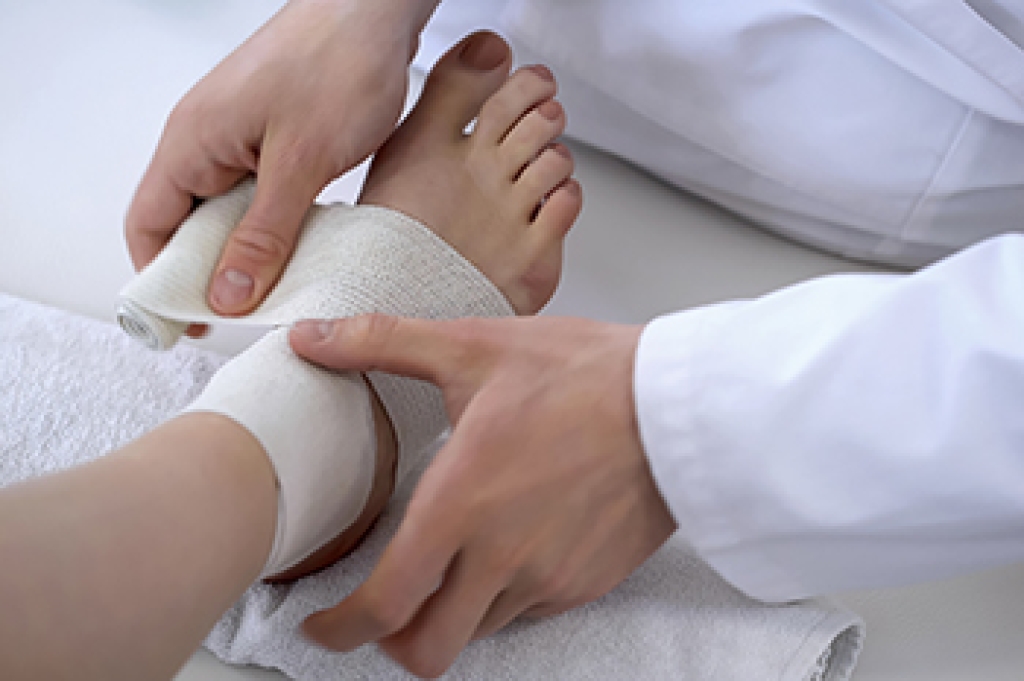
A lateral ankle sprain is considered the most common type of ankle injury. This can happen when the ankle rolls inward and can affect the anterior talofibular and calcaneofibular ligaments. These ligaments are on the outside of the body and may become injured when the ankle moves past its normal range of motion. The common symptoms many people experience with an ankle sprain often include severe pain, swelling, and difficulty moving the ankle. It is beneficial to have a proper diagnosis performed, which consists of having an X-ray taken. This is successful in ruling out a fractured ankle, and treatment can begin for the sprained ankle. The affected ankle can be wrapped in an elastic bandage, and existing swelling may be reduced when the foot is elevated. If you have sprained your ankle, it is suggested that you confer with a podiatrist who can provide you with treatment options that are right for you.

Although ankle sprains are common, they aren’t always minor injuries. If you need your ankle injury looked at, contact Neeta Hasmukh, DPM from Total Podiatry. Our doctor can provide the care you need to keep you pain-free and on your feet.

How Does an Ankle Sprain Occur?

Ankle sprains are the result of a tear in the ligaments within the ankle. These injuries may happen when you make a rapid shifting movement while your foot is planted. A less common way to sprain your ankle is when your ankle rolls inward while your foot turns outward.

What Are the Symptoms?

  • Pain at the sight of the tear
  • Bruising/Swelling
  • Ankle area is tender to touch
  • In severe cases, may hear/feel something tear
  • Skin discoloration

Preventing a Sprain

  • Wearing appropriate shoes for the occasion
  • Stretching before exercises and sports
  • Knowing your limits

Treatment of a Sprain

In many cases, the RICE method (Rest, Ice, Compression, and Elevate) is used to treat ankle sprains. However, you should see a podiatrist to see which treatment option would work best with your injury. In severe cases, surgery may be required.

It is important to ask your doctor about rehab options after you receive treatment for your injury. Stretching, strength training, and balance exercises may help the ankle heal while also preventing further injury.

If you have any questions, please feel free to contact our offices located in San Antonio, Uvalde, and Jourdanton, TX . We offer the newest diagnostic and treatment technologies for all your foot care needs.

Read more about Ankle Sprains

Connect With Us

Advanced Podiatric Procedures & Services in the San Antonio, TX 78224 and Uvalde, TX 78801 areas