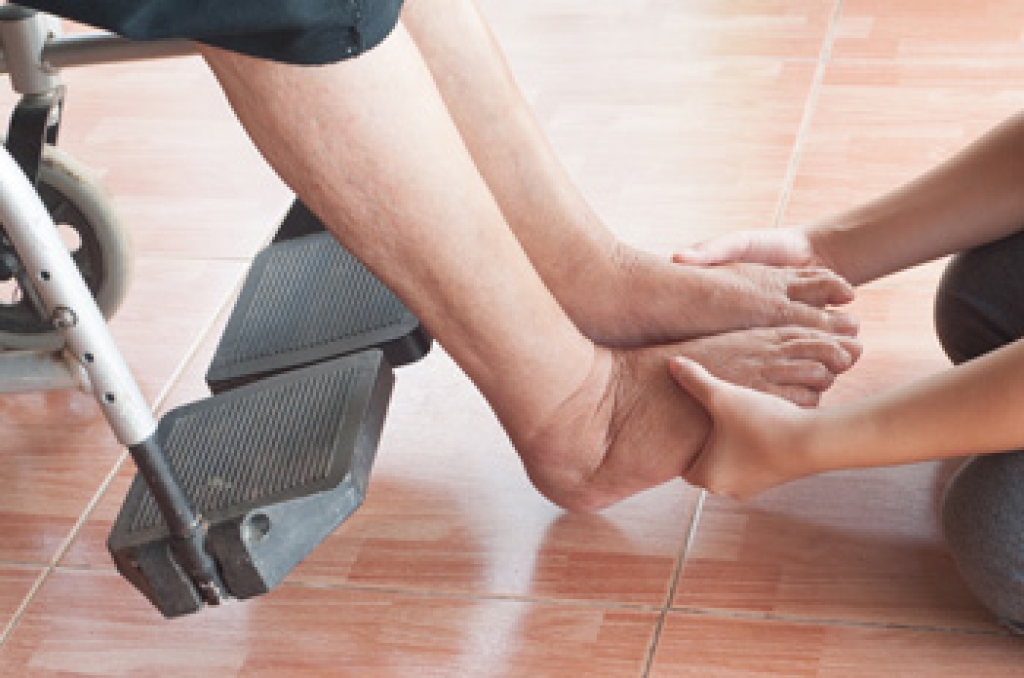
Ways Seniors Can Maximize Foot Care

As one ages, it becomes harder to reach down to the toes and keep toenails trimmed properly. In some cases, just gripping the clippers is difficult, if not impossible. At the same time, toenail growth decreases with age, resulting in thicker nails that are more difficult to trim. One way to soften the thicker nails and make them easier to cut is by soaking the feet for about 10 minutes in warm water. Thoroughly dry the feet, and use a clipper to make small cuts straight across the nail to lessen the chance of an ingrown toenail. If your toenails have both hardened and become discolored, you may also have developed a fungal infection. Such a condition can worsen rapidly and become painful. For that reason, it would be wise to contact a podiatrist immediately, as fungal infections may take months to eliminate. It is also suggested that seniors make regular appointments with a podiatrist for proper foot-care treatment as needed.

Proper foot care is something many older adults forget to consider. If you have any concerns about your feet and ankles, contact Neeta Hasmukh, DPM from Total Podiatry. Our doctor can provide the care you need to keep you pain-free and on your feet.

The Elderly and Their Feet

As we age we start to notice many changes in our body, but the elder population may not notice them right away. Medical conditions may prevent the elderly to take notice of their foot health right away. Poor vision is a lead contributor to not taking action for the elderly.

Common Conditions 

  • Neuropathy – can reduce feeling in the feet and can hide many life-threatening medical conditions.
  • Reduced flexibility – prevents the ability of proper toenail trimming, and foot cleaning. If left untreated, it may lead to further medical issues.
  • Foot sores – amongst the older population can be serious before they are discovered. Some of the problematic conditions they may face are:
  • Gouging toenails affecting nearby toe
  • Shoes that don’t fit properly
  • Pressure sores
  • Loss of circulation in legs & feet
  • Edema & swelling of feet and ankles

Susceptible Infections

Diabetes and poor circulation can cause general loss of sensitivity over the years, turning a simple cut into a serious issue.

If you have any questions, please feel free to contact our offices located in San Antonio, Uvalde, and Jourdanton, TX . We offer the newest diagnostic and treatment technologies for all your foot care needs.
Read more about Elderly and their Feet

Matchmaker, Matchmaker, Make My Foot a Good Match

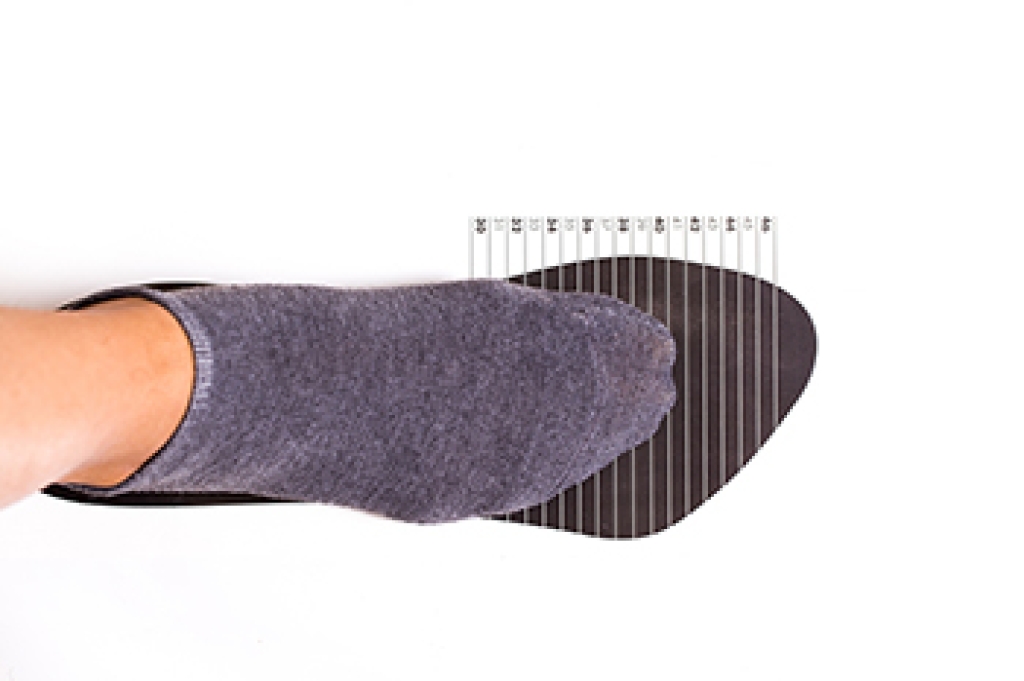
It is believed that many foot problems are caused by wearing the wrong kind of shoe. Here are some things you can do to help keep your feet healthy by choosing the right kind of shoe for your individual foot. Start by outlining your feet on a piece of paper and bringing that with you when you are buying shoes. Go in the afternoon or evening, after your foot has had a chance to expand throughout the day. When you get to the store, have your foot measured or do it yourself. Be sure to stand up to make sure each foot is measured accurately. If your feet vary in size, choose the larger size. Look for shoes that have good arch support, no rough inner seams, at least 1/2” of space between your longest toe and the tip of the shoe, and a structured back to hug your heel. When you find a shoe you are interested in, check to see if it matches your foot shape before you try it on. Place the shoe on top of the outline you brought: if it covers the outline completely, that means it might be a good match. Try the shoe on and walk around to make sure nothing pinches or rubs your foot. For additional tips on finding shoes that are right for your feet, consult with a podiatrist.

Finding a properly-fitting shoe is important in reducing injuries and preventing foot problems. For more information about treatment, contact Neeta Hasmukh, DPM from Total Podiatry. Our doctor will treat your foot and ankle needs.

Proper Shoe Fitting

A common concern when it comes to foot health, having properly fitted shoes can help prevent injuries to the foot. Out feet affect our posture and gait, which in turn affects the biomechanics and overall bodily structure. With 33 joints, 26 bones, and over 100 ligaments, the potential for serious injury is much greater than one realizes. Although the feet cease growth in adulthood, they still change shape as they mature. Here are some factors to consider when it comes to investing in proper fitting shoes:

  • Be sure the shoes fit correctly right away
  • Ensure the ball of your foot fits comfortably in the widest portion of the shoes
  • Even though they may look fashionable, improper fitting shoes can either create adverse conditions or exacerbate existing ones you may already have
  • Walk along a carpeted surface to ensure the shoes comfortably fit during normal activity

Keeping in mind how shoes fit the biomechanics of your body, properly-fitting shoes are vitally important. Fortunately, it is not difficult to acquire footwear that fits correctly. Be sure to wear shoes that support the overall structure of your body. Do your feet a favor and invest in several pairs of well-fitted shoes today.

If you have any questions, please feel free to contact our offices located in San Antonio, Uvalde, and Jourdanton, TX . We offer the newest diagnostic and treatment technologies for all your foot care needs.
Read more about Proper Shoe Fitting

Why Live with Pain and Numbness in Your Feet?

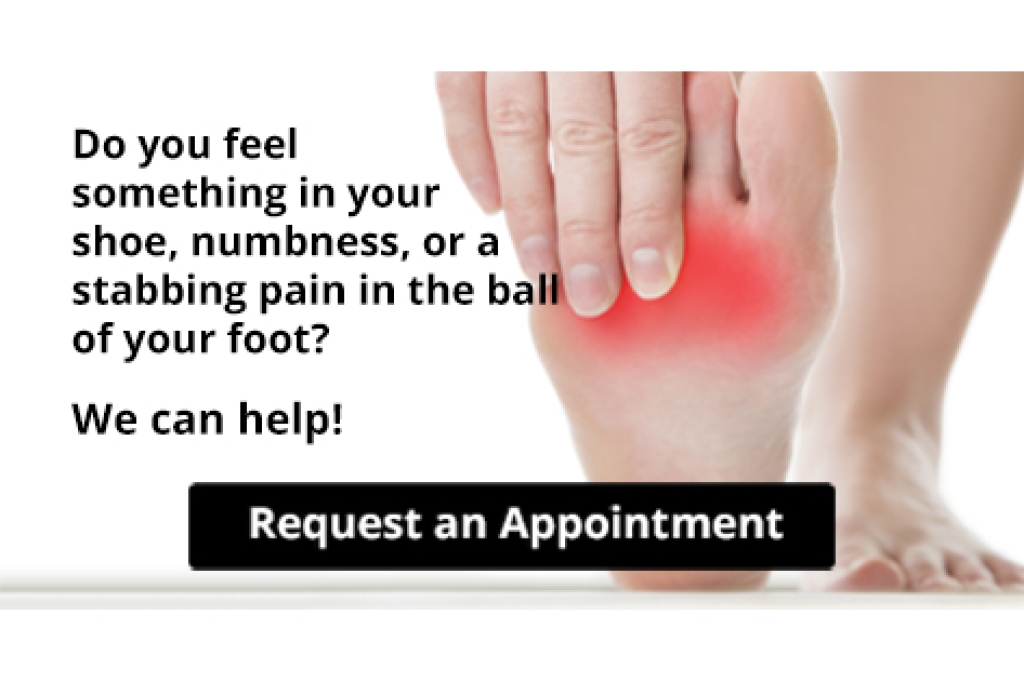
Suffering from this type of pain? You may have the foot condition known as Morton's neuroma. Morton's neuroma may develop as a result of ill-fitting footwear and existing foot deformities. We can help.

Morton’s Neuroma in Runners and Others

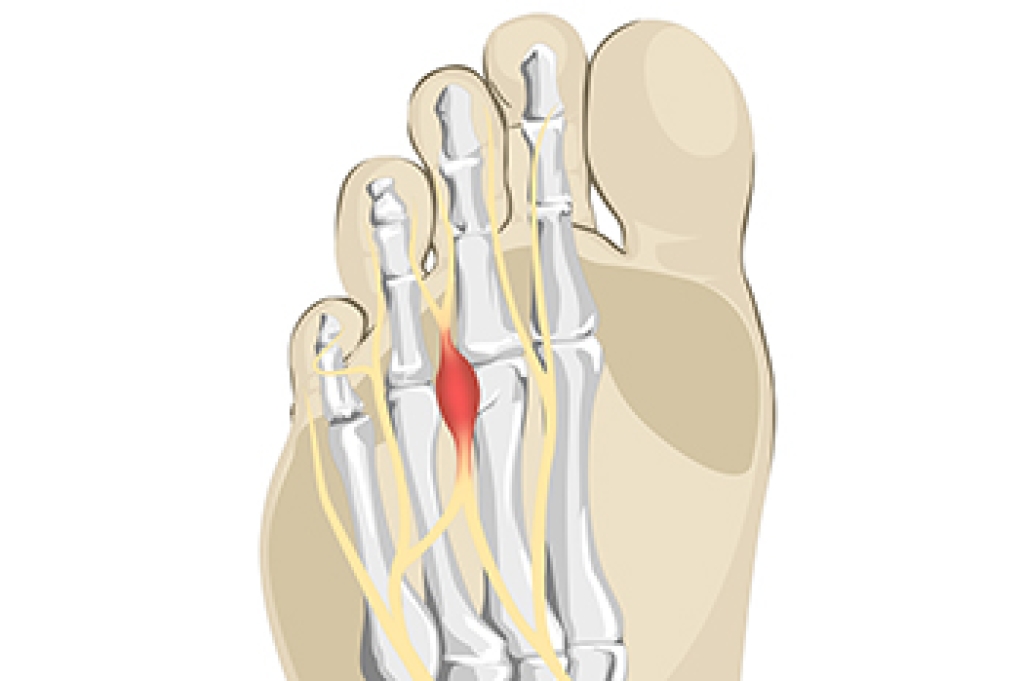
Many runners develop a condition known as Morton’s neuroma which is a thickening of a nerve in the foot. It usually affects the large nerve between the third and fourth toe, which is more susceptible to pressure, irritation and injury, and results in painful inflammation. Runners and people playing sports that involve pressure on the ball of the foot are more apt to develop this condition. Also, women wearing high heels, with a lack of room in the toe box and improper cushioning are susceptible. People with flat feet, high arches, bunions or hammertoes are also at risk. Morton’s neuroma is thought to be a progressive ailment, and for that reason diagnosis is often delayed until the condition becomes more severe. At some point, the symptoms become more painful and frequent and last longer. Many people complain of having a pebble in their shoe or feel like their sock is bunched up. It is suggested that you consult with a podiatrist at the earliest onset of such symptoms for a diagnosis and treatment plan.

Morton’s neuroma is a very uncomfortable condition to live with. If you think you have Morton’s neuroma, contact Neeta Hasmukh, DPM of Total Podiatry. Our doctor will attend to all of your foot care needs and answer any of your related questions.  

Morton’s Neuroma

Morton's neuroma is a painful foot condition that commonly affects the areas between the second and third or third and fourth toe, although other areas of the foot are also susceptible. Morton’s neuroma is caused by an inflamed nerve in the foot that is being squeezed and aggravated by surrounding bones.

What Increases the Chances of Having Morton’s Neuroma?

  • Ill-fitting high heels or shoes that add pressure to the toe or foot
  • Jogging, running or any sport that involves constant impact to the foot
  • Flat feet, bunions, and any other foot deformities

Morton’s neuroma is a very treatable condition. Orthotics and shoe inserts can often be used to alleviate the pain on the forefront of the feet. In more severe cases, corticosteroids can also be prescribed. In order to figure out the best treatment for your neuroma, it’s recommended to seek the care of a podiatrist who can diagnose your condition and provide different treatment options.

If you have any questions, please feel free to contact our offices located in San Antonio, Uvalde, and Jourdanton, TX . We offer the newest diagnostic and treatment technologies for all your foot care needs.
Read more about Morton's Neuroma

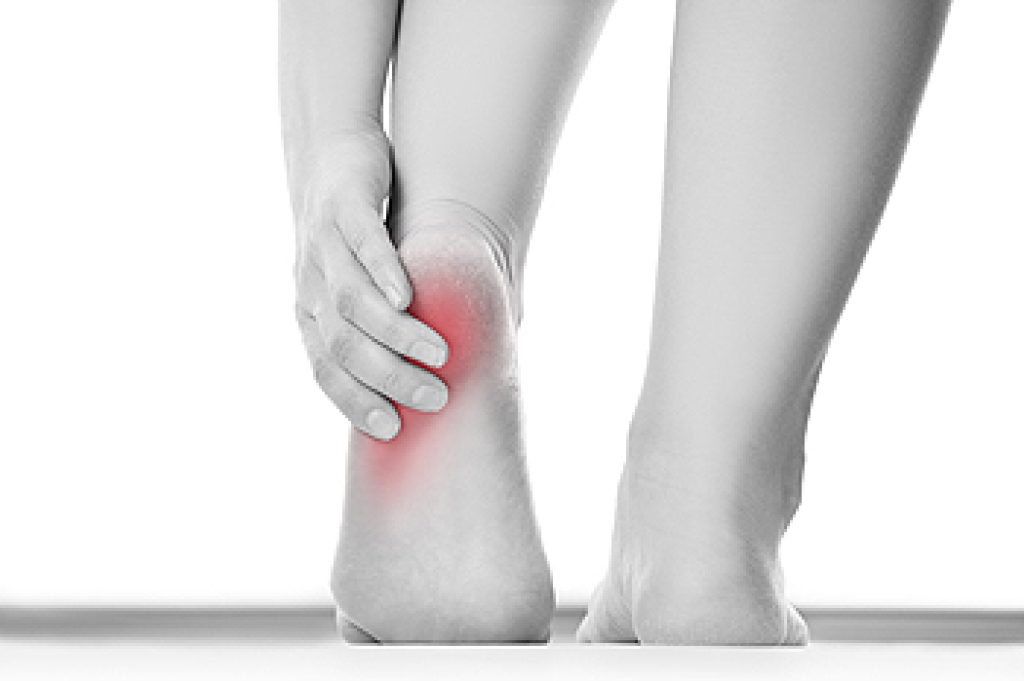
Various Causes of Heel Pain

Podiatrists treat many types of disorders that cause pain in various parts of the heel. The most common heel pain is caused by plantar fasciitis (inflammation of the plantar fascia tissue), which causes pain on the bottom of the foot. Other common sources of heel pain include a calcaneal (heel bone) fracture, heel pad syndrome (a wearing down of the cushion on the bottom of the heel), nerve entrapment, including tarsal tunnel syndrome (which can also cause tingling, numbness or burning), neuromas (nerve swelling), and Achilles tendinopathy (damage to the tendon that attaches to the heel bone). Growing children may also be prone to Sever’s disease, which is irritation in the growth plate of the heel. If you have heel pain, it is suggested that you see a podiatrist. They will typically begin their evaluation by asking where the pain is located in the heel, along with medical history questions, followed by a physical examination. They may also use various diagnostic tools to determine the underlying cause of your heel pain and how best to treat it.

Many people suffer from bouts of heel pain. For more information, contact Neeta Hasmukh, DPM of Total Podiatry. Our doctor can provide the care you need to keep you pain-free and on your feet.

Causes of Heel Pain

Heel pain is often associated with plantar fasciitis. The plantar fascia is a band of tissues that extends along the bottom of the foot. A rip or tear in this ligament can cause inflammation of the tissue.

Achilles tendonitis is another cause of heel pain. Inflammation of the Achilles tendon will cause pain from fractures and muscle tearing. Lack of flexibility is also another symptom.

Heel spurs are another cause of pain. When the tissues of the plantar fascia undergo a great deal of stress, it can lead to ligament separation from the heel bone, causing heel spurs.

Why Might Heel Pain Occur?

  • Wearing ill-fitting shoes                
  • Wearing non-supportive shoes
  • Weight change           
  • Excessive running

Treatments

Heel pain should be treated as soon as possible for immediate results. Keeping your feet in a stress-free environment will help. If you suffer from Achilles tendonitis or plantar fasciitis, applying ice will reduce the swelling. Stretching before an exercise like running will help the muscles. Using all these tips will help make heel pain a condition of the past.

If you have any questions, please feel free to contact our offices located in San Antonio, Uvalde, and Jourdanton, TX . We offer the newest diagnostic and treatment technologies for all your foot care needs.

Read more about Heel Pain

Connect With Us

Advanced Podiatric Procedures & Services in the San Antonio, TX 78224 and Uvalde, TX 78801 areas