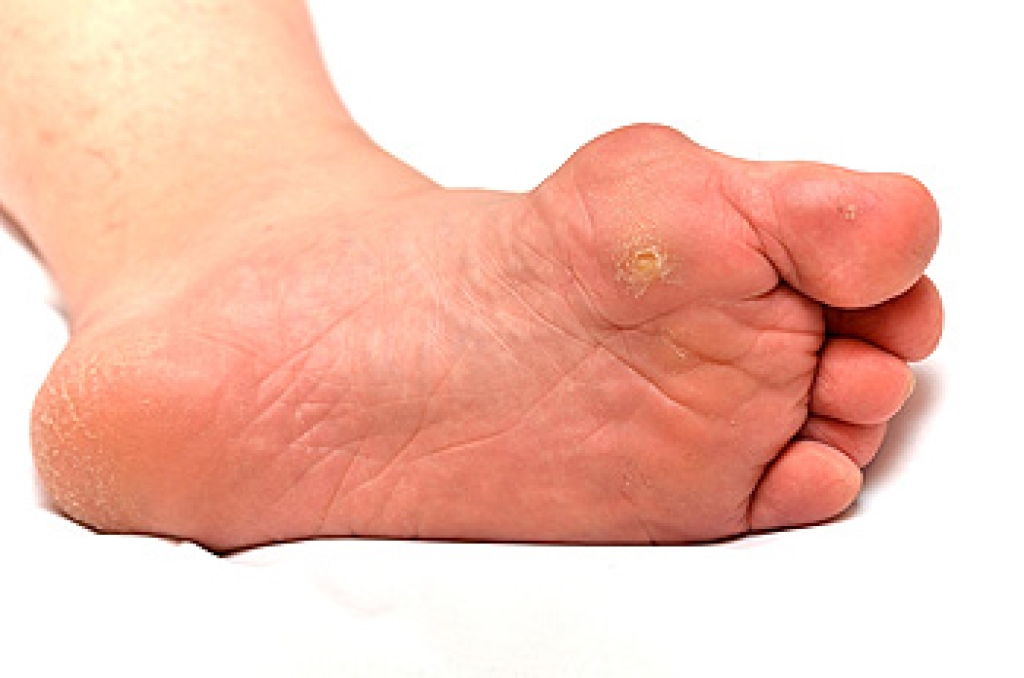
Foot Corns and Calluses

Foot corns and calluses are small areas of thick, raised, and hardened skin on the feet. These result from excessive friction or pressure on the skin and can cause pain. Calluses generally occur on the soles of the feet, around the toes. They are larger and flatter than corns. Corns tend to be smaller, circular in shape, and yellow or white in color. Corns press into deeper layers of the skin and are usually found on the top, side, or in-between toes. Usually, these come from wearing ill-fitting shoes and doing a lot of walking. Corns and calluses are usually not serious and can be dealt with by practicing good foot hygiene, wearing shoes that fit well, and using shoe inserts. Sometimes, medicine is required, and if they become infected or cause ulcers, surgery might also be necessary. If you have corns or calluses that do not respond to better foot care and footwear, and if they appear to be worsening, it is wise to see a podiatrist for an evaluation and treatment suggestions.

If you have any concerns regarding your feet and ankles, contact Neeta Hasmukh, DPM of Total Podiatry. Our doctor will treat your foot and ankle needs.

Corns: What Are They? and How Do You Get Rid of Them?
Corns can be described as areas of the skin that have thickened to the point of becoming painful or irritating. They are often layers and layers of the skin that have become dry and rough, and are normally smaller than calluses.

Ways to Prevent Corns
There are many ways to get rid of painful corns such as wearing:

  • Well-fitting socks
  • Comfortable shoes that are not tight around your foot
  • Shoes that offer support

Treating Corns
Treatment of corns involves removing the dead skin that has built up in the specific area of the foot. Consult with Our doctor to determine the best treatment option for your case of corns.

If you have any questions, please feel free to contact our offices located in San Antonio, Uvalde, and Jourdanton, TX . We offer the newest diagnostic and treatment technologies for all your foot care needs.
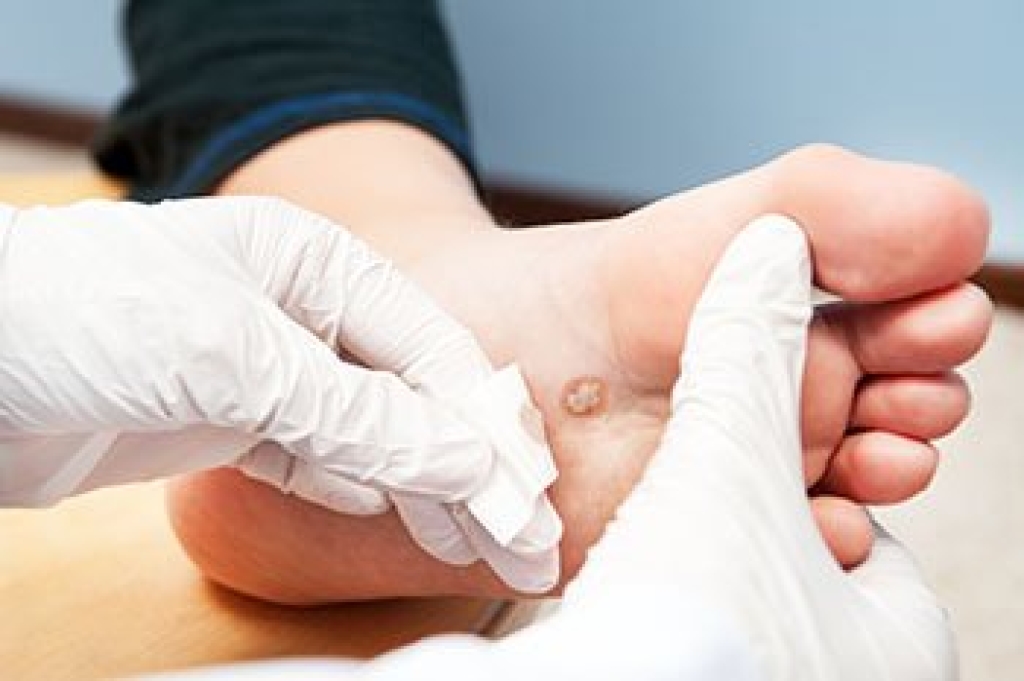

Read more about Corns: What Are They, and How Do You Get Rid of Them

Clusters of Plantar Warts

Plantar warts are often confused with other kinds of foot conditions such as corns. However, plantar warts are importantly different from corns, and anyone who cares about maintaining the health of their feet ought to be familiar with what is unique about them. Plantar warts are growths on the feet that are ultimately caused by the human papillomavirus. These growths sometimes can be painful. Plantar warts can, in fact, grow in clusters. However, they do not necessarily do so. These clusters of plantar warts on the bottoms of the feet can present themselves as groupings of warts. Clusters can also form on one or both feet at a time. If you are someone that has plantar warts, contact a podiatrist today to learn more and to receive treatment. 

Plantar warts can be very uncomfortable. If you need your feet checked, contact Neeta Hasmukh, DPM from Total Podiatry. Our doctor will assist you with all of your foot and ankle needs.

About Plantar Warts

Plantar warts are the result of HPV, or human papillomavirus, getting into open wounds on the feet. They are mostly found on the heels or balls of the feet.

While plantar warts are generally harmless, those experiencing excessive pain or those suffering from diabetes or a compromised immune system require immediate medical care. Plantar warts are easily diagnosed, usually through scraping off a bit of rough skin or by getting a biopsy.

Symptoms

  • Lesions on the bottom of your feet, usually rough and grainy
  • Hard or thick callused spots
  • Wart seeds, which are small clotted blood vessels that look like little black spots
  • Pain, discomfort, or tenderness of your feet when walking or standing

Treatment

  • Freezing
  • Electric tool removal
  • Laser Treatment
  • Topical Creams (prescription only)
  • Over-the-counter medications

To help prevent developing plantar warts, avoid walking barefoot over abrasive surfaces that can cause cuts or wounds for HPV to get into. Avoiding direct contact with other warts, as well as not picking or rubbing existing warts, can help prevent the further spread of plantar warts. However, if you think you have developed plantar warts, speak to your podiatrist. He or she can diagnose the warts on your feet and recommend the appropriate treatment options.

If you have any questions, please feel free to contact our offices located in San Antonio, Uvalde, and Jourdanton, TX . We offer the newest diagnostic and treatment technologies for all your foot care needs.

Read more about All About Plantar Warts

Elevating the Feet During Pregnancy

Any woman who has brought a baby to term surely knows that a pregnancy can have an impact on the health of the feet. Part of this is natural because a pregnancy can facilitate changes in the body, and so consequently, the feet are no exception to this. One well-known side effect of pregnancy is essentially the swelling of the feet. The feet and lower legs may swell when liquids accumulate in the feet. Although this is a common side effect of pregnancy, there are several things that a pregnant woman can do to address this problem. Most effectively, an individual can elevate their feet and lower legs to reduce the swelling in the feet. The feet and lower legs can be elevated to a point above the heart to effectively reduce the swelling. Schedule an appointment with a podiatrist today if you are pregnant. 

Pregnant women with swollen feet can be treated with a variety of different methods that are readily available. For more information about other cures for swollen feet during pregnancy, consult with Neeta Hasmukh, DPM from Total Podiatry. Our doctor will attend to all of your foot and ankle needs.

What Foot Problems Can Arise During Pregnancy?

One problem that can occur is overpronation, which occurs when the arch of the foot flattens and tends to roll inward.  This can cause pain and discomfort in your heels while you’re walking or even just standing up, trying to support your baby.  

Another problem is edema, or swelling in the extremities. This often affects the feet during pregnancy but tends to occur in the later stages. 

How Can I Keep My Feet Healthy During Pregnancy?

  • Wearing orthotics can provide extra support for the feet and help distribute weight evenly
  • Minimize the amount of time spent walking barefoot
  • Wear shoes with good arch support
  • Wear shoes that allow for good circulation to the feet
  • Elevate feet if you experience swelling
  • Massage your feet
  • Get regular, light exercise, such as walking, to promote blood circulation to the feet

If you have any questions, please feel free to contact our offices located in San Antonio, Uvalde, and Jourdanton, TX . We offer the newest diagnostic and treatment technologies for all your foot care needs.
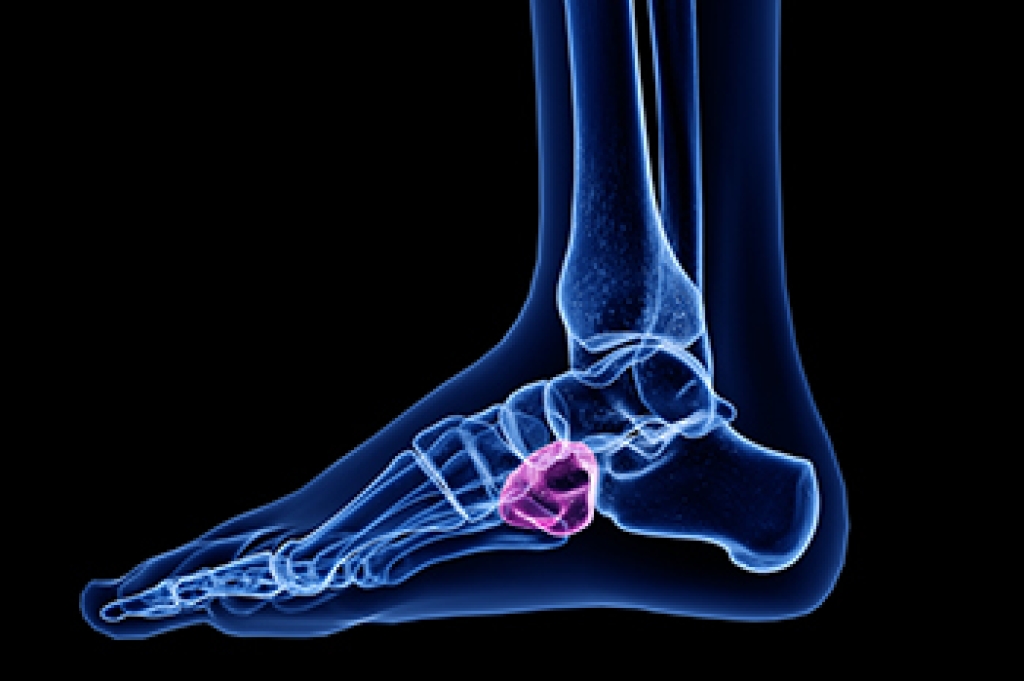
Read more about Pregnancy and Foot Health

Examples of Developing Cuboid Syndrome

Cuboid syndrome is a condition affecting the health of the feet that develops when the cuboid bone is moved out of alignment in the foot. As a result, the lateral part of the foot may experience some discomfort or pain. There are many different examples of ways in which cuboid syndrome can develop. For example, athletes like basketball players may unintentionally move their cuboid bone out of alignment when rushing to the end of the court and using a lateral movement to suddenly slow down their motion. This lateral movement can sometimes cause the cuboid bone to shift out of place. Additionally, students who are rushing through the halls of their school might damage the alignment of their cuboid bone while pivoting their feet to suddenly change direction or speed. These are just some of many different examples of how individuals may develop cuboid syndrome. If you think you have this condition, please contact a podiatrist today for treatment. 


Cuboid syndrome, also known as cuboid subluxation, occurs when the joints and ligaments near the cuboid bone in the foot become torn. If you have cuboid syndrome, consult with Neeta Hasmukh, DPM from Total Podiatry. Our doctor will assess your condition and provide you with quality foot and ankle treatment.

Cuboid syndrome is a common cause of lateral foot pain, which is pain on the outside of the foot. The condition may happen suddenly due to an ankle sprain, or it may develop slowly overtime from repetitive tension through the bone and surrounding structures.

Causes

The most common causes of cuboid syndrome include:

  • Injury – The most common cause of this ailment is an ankle sprain.
  • Repetitive Strain – Tension placed through the peroneus longus muscle from repetitive activities such as jumping and running may cause excessive traction on the bone causing it to sublux.
  • Altered Foot Biomechanics – Most people suffering from cuboid subluxation have flat feet.

Symptoms

A common symptom of cuboid syndrome is pain along the outside of the foot which can be felt in the ankle and toes. This pain may create walking difficulties and may cause those with the condition to walk with a limp.

Diagnosis

Diagnosis of cuboid syndrome is often difficult, and it is often misdiagnosed. X-rays, MRIs and CT scans often fail to properly show the cuboid subluxation. Although there isn’t a specific test used to diagnose cuboid syndrome, your podiatrist will usually check if pain is felt while pressing firmly on the cuboid bone of your foot.

Treatment

Just as the range of causes varies widely, so do treatments. Some more common treatments are ice therapy, rest, exercise, taping, and orthotics.

If you have any questions, please feel free to contact our offices located in San Antonio, Uvalde, and Jourdanton, TX . We offer the newest diagnostic and treatment technologies for all your foot care needs.

Read more about All About Cuboid Syndrome

Connect With Us

Advanced Podiatric Procedures & Services in the San Antonio, TX 78224 and Uvalde, TX 78801 areas