Preventing Foot and Ankles Injuries While Playing Golf

Golf, often perceived as a leisurely sport, can surprisingly pose risks of foot and ankle injuries, especially if proper precautions are neglected. One common cause of injuries is the repetitive motion of the golf swing, which can strain the muscles, tendons, and ligaments in the feet and ankles. Additionally, uneven terrain or poorly maintained golf courses can increase the risk of slips, twists, and falls, leading to sprains or fractures. To prevent foot and ankle injuries in golf, it is essential to prioritize proper warm-up exercises before hitting the course. Dynamic stretches targeting the lower body muscles can enhance flexibility and reduce the risk of strain during the swing. Wearing supportive golf shoes with ample cushioning and traction can provide stability and protect against injuries. It is also helpful to maintain good posture and technique while swinging can help distribute forces evenly across the body, minimizing stress on the feet and ankles. If you have endured a foot or ankle injury playing golf, it is suggested that you visit a podiatrist who can offer you treatment methods and injury prevention tips.

Sports related foot and ankle injuries require proper treatment before players can go back to their regular routines. For more information, contact Neeta Hasmukh, DPM of Total Podiatry. Our doctor can provide the care you need to keep you pain-free and on your feet.

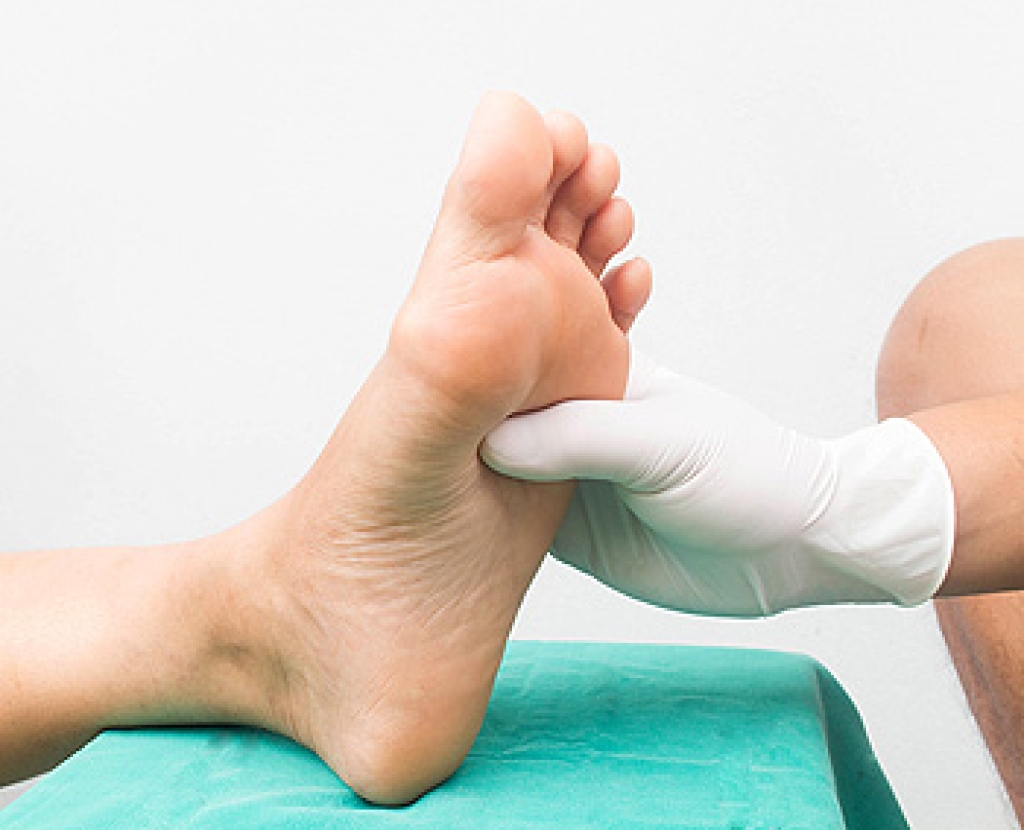
Sports Related Foot and Ankle Injuries

Foot and ankle injuries are a common occurrence when it comes to athletes of any sport. While many athletes dismiss the initial aches and pains, the truth is that ignoring potential foot and ankle injuries can lead to serious problems. As athletes continue to place pressure and strain the area further, a mild injury can turn into something as serious as a rupture and may lead to a permanent disability. There are many factors that contribute to sports related foot and ankle injuries, which include failure to warm up properly, not providing support or wearing bad footwear. Common injuries and conditions athletes face, including:

  • Plantar Fasciitis
  • Achilles Tendinitis
  • Achilles Tendon Rupture
  • Ankle Sprains

Sports related injuries are commonly treated using the RICE method. This includes rest, applying ice to the injured area, compression and elevating the ankle. More serious sprains and injuries may require surgery, which could include arthroscopic and reconstructive surgery. Rehabilitation and therapy may also be required in order to get any recovering athlete to become fully functional again. Any unusual aches and pains an athlete sustains must be evaluated by a licensed, reputable medical professional.

If you have any questions please contact our offices located in San Antonio, Uvalde, and Jourdanton, TX . We offer the newest diagnostic and treatment technologies for all your foot and ankle needs.
Read more about Sports Related Foot And Ankle Injuries

Types and Symptoms of Heel Spurs

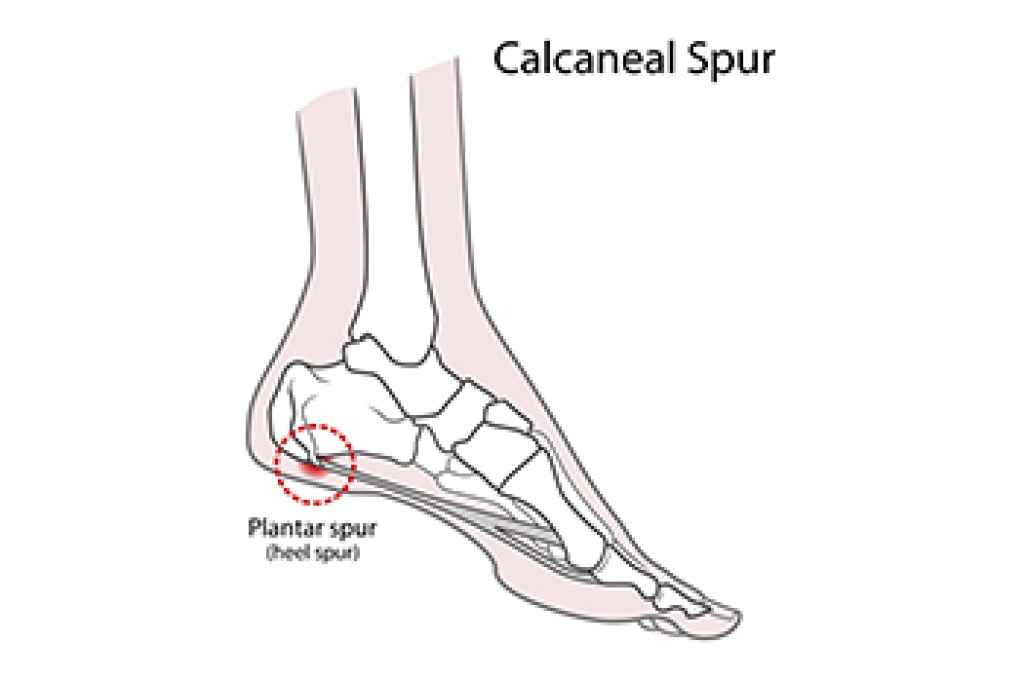
Heel spurs are bony growths that develop on the heel bone, with the two main types being plantar and dorsal heel spurs. Plantar heel spurs form on the bottom of the heel and are often associated with plantar fasciitis, causing pain and inflammation where the plantar fascia connects to the heel bone. Dorsal heel spurs develop at the back of the heel, typically where the Achilles tendon attaches, leading to discomfort and swelling in the area. Common symptoms of heel spurs include sharp pain while standing up in the morning, tenderness, and difficulty walking or running. Diagnosis usually involves a physical examination and imaging tests like X-rays to confirm the presence of the bony growths. Heel spurs can be painful. If you have developed one, it is suggested that you consult a podiatrist sooner rather than later who can offer you correct relief and treatment options.

Heel spurs can be incredibly painful and sometimes may make you unable to participate in physical activities. To get medical care for your heel spurs, contact Neeta Hasmukh, DPM from Total Podiatry. Our doctor will do everything possible to treat your condition.

Heels Spurs

Heel spurs are formed by calcium deposits on the back of the foot where the heel is. This can also be caused by small fragments of bone breaking off one section of the foot, attaching onto the back of the foot. Heel spurs can also be bone growth on the back of the foot and may grow in the direction of the arch of the foot.

Older individuals usually suffer from heel spurs and pain sometimes intensifies with age. One of the main condition's spurs are related to is plantar fasciitis.

Pain

The pain associated with spurs is often because of weight placed on the feet. When someone is walking, their entire weight is concentrated on the feet. Bone spurs then have the tendency to affect other bones and tissues around the foot. As the pain continues, the feet will become tender and sensitive over time.

Treatments

There are many ways to treat heel spurs. If one is suffering from heel spurs in conjunction with pain, there are several methods for healing. Medication, surgery, and herbal care are some options.

If you have any questions, please feel free to contact our offices located in San Antonio, Uvalde, and Jourdanton, TX . We offer the newest diagnostic and treatment technologies for all your foot care needs.

Read more about Heel Spurs

Reminder: When Was the Last Time...?

Custom orthotics, or shoe inserts, should be periodically replaced. Orthotics must fit properly to give you the best results. Protect your feet and ankles!

Managing an Ingrown Toenail

Onychocryptosis, commonly known as an ingrown toenail, occurs when the edge of a toenail grows into the surrounding skin, leading to pain, swelling, and sometimes infection. This condition often affects the big toe and can result from improper nail trimming, tight footwear, or injury to the toe. Managing an ingrown toenail involves several steps to alleviate discomfort and promote healing. Soaking the affected foot in warm water can soften the skin and reduce inflammation. Keeping the foot dry and wearing well-fitting shoes can prevent further irritation. Lifting the nail gently and placing a small piece of cotton or dental floss under it can help guide the nail to grow correctly. An ingrown toenail can cause significant pain and discomfort. If you have an ingrown toenail that has worsened, it is strongly suggested that you seek the advice of visit a podiatrist who can effectively treat this condition, which may include minor surgery.

Ingrown toenails can become painful if they are not treated properly. For more information about ingrown toenails, contact Neeta Hasmukh, DPM of Total Podiatry. Our doctor can provide the care you need to keep you pain-free and on your feet.

Ingrown Toenails

Ingrown toenails occur when a toenail grows sideways into the bed of the nail, causing pain, swelling, and possibly infection.

Causes

  • Bacterial infections
  • Improper nail cutting such as cutting it too short or not straight across
  • Trauma to the toe, such as stubbing, which causes the nail to grow back irregularly
  • Ill-fitting shoes that bunch the toes too close together
  • Genetic predisposition

Prevention

Because ingrown toenails are not something found outside of shoe-wearing cultures, going barefoot as often as possible will decrease the likeliness of developing ingrown toenails. Wearing proper fitting shoes and using proper cutting techniques will also help decrease your risk of developing ingrown toenails.

Treatment

Ingrown toenails are a very treatable foot condition. In minor cases, soaking the affected area in salt or antibacterial soaps will not only help with the ingrown nail itself, but also help prevent any infections from occurring. In more severe cases, surgery is an option. In either case, speaking to your podiatrist about this condition will help you get a better understanding of specific treatment options that are right for you.

If you have any questions, please feel free to contact our offices located in San Antonio, Uvalde, and Jourdanton, TX . We offer the newest diagnostic and treatment technologies for all your foot care needs.

Read more about Ingrown Toenails

Symptoms of Diabetic Foot Problems

Diabetes poses significant risks to foot health due to its impact on nerves, circulation, and the immune system. Peripheral neuropathy, a common complication, reduces sensation in the feet, making it difficult to detect injuries or pressure points that can lead to foot ulcers. Additionally, impaired blood flow and weakened immunity slow down healing processes, increasing the likelihood of infections that can quickly become serious. Symptoms of diabetic foot problems to watch for include persistent pain, redness, swelling, warmth, and drainage from wounds. These are potential signs of underlying issues that require immediate attention. Regular foot inspections, wearing proper footwear, and regularly scheduled appointments with a podiatrist are essential for preventing diabetic foot problems from progressing. Early intervention not only improves outcomes but also reduces the risk of complications, such as gangrene and amputation. If you have diabetes, learning how to care for your feet and recognizing the early signs of trouble are essential steps in managing your overall health. It is suggested that you add a podiatrist to your team of healthcare professionals for treating diabetes-related foot problems.

Diabetic foot care is important in preventing foot ailments such as ulcers. If you are suffering from diabetes or have any other concerns about your feet, contact Neeta Hasmukh, DPM from Total Podiatry. Our doctor can provide the care you need to keep you pain-free and on your feet.

Diabetic Foot Care

Diabetes affects millions of people every year. The condition can damage blood vessels in many parts of the body, especially the feet. Because of this, taking care of your feet is essential if you have diabetes, and having a podiatrist help monitor your foot health is highly recommended.

The Importance of Caring for Your Feet

  • Routinely inspect your feet for bruises or sores.
  • Wear socks that fit your feet comfortably.
  • Wear comfortable shoes that provide adequate support.

Patients with diabetes should have their doctor monitor their blood levels, as blood sugar levels play such a huge role in diabetic care. Monitoring these levels on a regular basis is highly advised.

It is always best to inform your healthcare professional of any concerns you may have regarding your feet, especially for diabetic patients. Early treatment and routine foot examinations are keys to maintaining proper health, especially because severe complications can arise if proper treatment is not applied.

If you have any questions, please feel free to contact our offices located in San Antonio, Uvalde, and Jourdanton, TX . We offer the newest diagnostic and treatment technologies for all your foot care needs.

Read more about Diabetic Foot Conditions

Connect With Us

Advanced Podiatric Procedures & Services in the San Antonio, TX 78224 and Uvalde, TX 78801 areas