
Do you work on your feet all day and find your feet in pain? Don't go to work in pain each day. Your foot pain can be treated, and we can help.
Do you work on your feet all day and find your feet in pain? Don't go to work in pain each day. Your foot pain can be treated, and we can help.
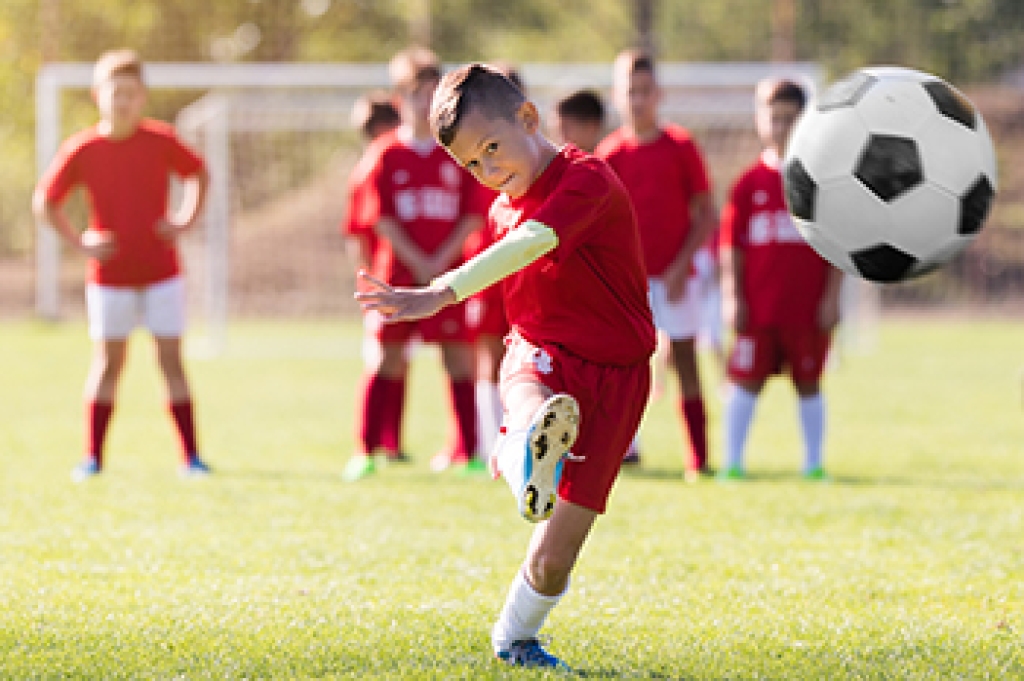
Heel pain in children should never be casually dismissed, as it could be a potential sign of a condition known as Sever's disease. It is common among active youngsters and adolescents, especially those involved in sports. Sever's disease, medically known as calcaneal apophysitis, involves the growth plate within the heel bone and typically emerges in children aged between 8 and 15 years old. Repeated stress placed on the heel due to activities such as running, jumping, and participation in various sports can trigger this ailment. It is characterized by irritation and inflammation in the heel that results in pain. If your child experiences such pain during or after physical activities, or if you observe them limping or favoring tiptoe walking, it may indicate Sever’s disease. Swelling and tenderness in the heel area may also accompany these symptoms. Treatment involves a combination of rest, gentle stretching exercises, and, in some cases, the use of orthotics or specialized shoe inserts. Ignoring heel pain in children can lead to more severe complications or long-term discomfort. For an evaluation, it is suggested that you make an appointment with a podiatrist.
Sever's disease often occurs in children and teens. If your child is experiencing foot or ankle pain, see Neeta Hasmukh, DPM from Total Podiatry. Our doctor can treat your child’s foot and ankle needs.
Sever’s Disease
Sever’s disease is also known as calcaneal apophysitis, which is a medical condition that causes heel pain I none or both feet. The disease is known to affect children between the ages of 8 and 14.
Sever’s disease occurs when part of the child’s heel known as the growth plate (calcaneal epiphysis) is attached to the Achilles tendon. This area can suffer injury when the muscles and tendons of the growing foot do not keep pace with bone growth. Therefore, the constant pain which one experiences at the back of the heel will make the child unable to put any weight on the heel. The child is then forced to walk on their toes.
Symptoms
Acute pain – Pain associated with Sever’s disease is usually felt in the heel when the child engages in physical activity such as walking, jumping and or running.
Highly active – Children who are very active are among the most susceptible in experiencing Sever’s disease, because of the stress and tension placed on their feet.
If you have any questions, please feel free to contact our offices located in San Antonio, Uvalde, and Jourdanton, TX . We offer the newest diagnostic and treatment technologies for all your foot care needs.
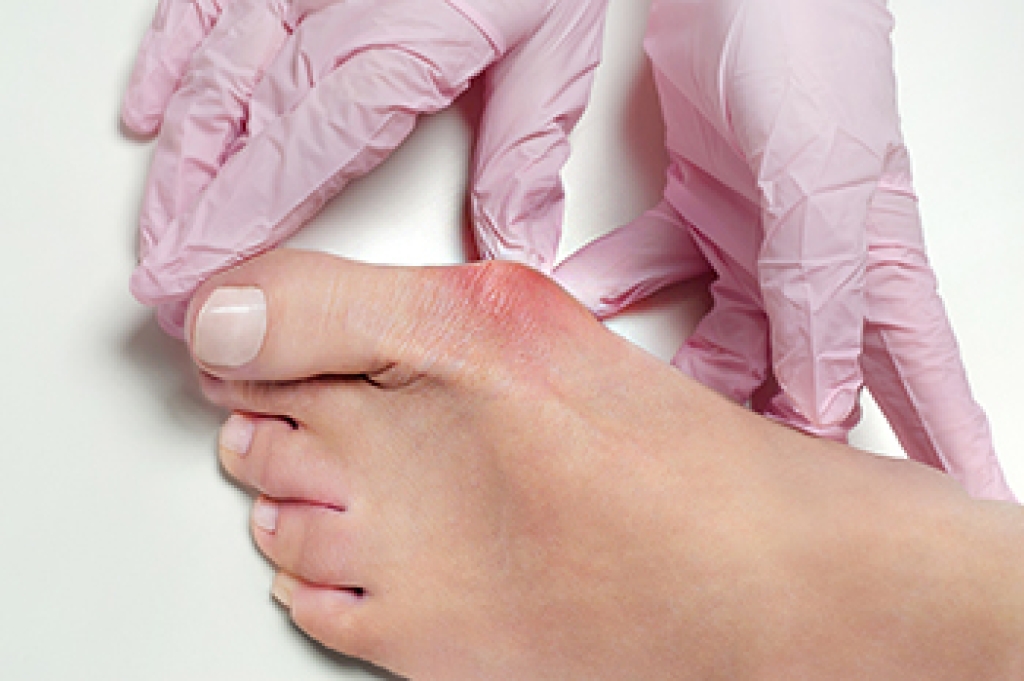
Bunions, those bony bumps that form at the base of the big toe, are a common foot ailment that can cause pain and discomfort. While many people associate bunions with wearing tight or ill-fitting shoes, the causes are often more complex than simply blaming your footwear choices. One of the primary contributors to bunions is genetics. If bunions run in your family, you may be genetically predisposed to developing them. In such cases, the way your foot bones are structured can make you more susceptible. Another significant factor is having improper foot biomechanics. If your feet roll inward excessively when you walk, termed overpronation, or if you have a flat foot arch, the increased stress on the joint at the base of the big toe can lead to bunion formation over time. While wearing tight shoes with a narrow toe box can exacerbate the problem, they generally are not the sole cause of bunions. If you have developed a bunion, it is strongly suggested that you speak with a podiatrist who can determine the cause and guide you toward the treatment method that is best for you.
If you are suffering from bunion pain, contact Neeta Hasmukh, DPM of Total Podiatry. Our doctor can provide the care you need to keep you pain-free and on your feet.
What Is a Bunion?
Bunions are painful bony bumps that usually develop on the inside of the foot at the joint of the big toe. As the deformity increases over time, it may become painful to walk and wear shoes. Women are more likely to exacerbate existing bunions since they often wear tight, narrow shoes that shift their toes together. Bunion pain can be relieved by wearing wider shoes with enough room for the toes.
Causes
Symptoms
In order to diagnose your bunion, your podiatrist may ask about your medical history, symptoms, and general health. Your doctor might also order an x-ray to take a closer look at your feet. Nonsurgical treatment options include orthotics, padding, icing, changes in footwear, and medication. If nonsurgical treatments don’t alleviate your bunion pain, surgery may be necessary.
If you have any questions, please feel free to contact our offices located in San Antonio, Uvalde, and Jourdanton, TX . We offer the newest diagnostic and treatment technologies for all your foot care needs.
Children's feet are essential for their overall health and development. However, various foot problems can affect children as they grow. Flat feet, or pes planus, is a common condition where the arches on the inside of the feet do not develop fully, making the entire sole touch the ground. While this is normal in infants, it should resolve as they age. Ingrown toenails can cause pain, redness, and swelling, often the result of improper nail trimming or tight shoes. Proper nail care and footwear are key to preventing this issue. Sever's disease, medically termed calcaneal apophysitis, is common in active children between the ages of 8 and 14. It affects the growth plate in the heel and causes heel pain, especially during physical activities. Deformities, such as clubfoot, curly toes or overlapping toes, can be present from birth or develop later. Early intervention can help correct these deformities. Parents may wish to regularly inspect their children's feet and seek the help of a podiatrist for any of these common foot problems.
The health of a child’s feet is vital to their overall well-being. If you have any questions regarding foot health, contact Neeta Hasmukh, DPM of Total Podiatry. Our doctor can provide the care you need to keep you pain-free and on your feet.
Tips for Keeping Children's Feet Healthy
If you have any questions, please feel free to contact our offices located in San Antonio, Uvalde, and Jourdanton, TX . We offer the newest diagnostic and treatment technologies for all your foot care needs.
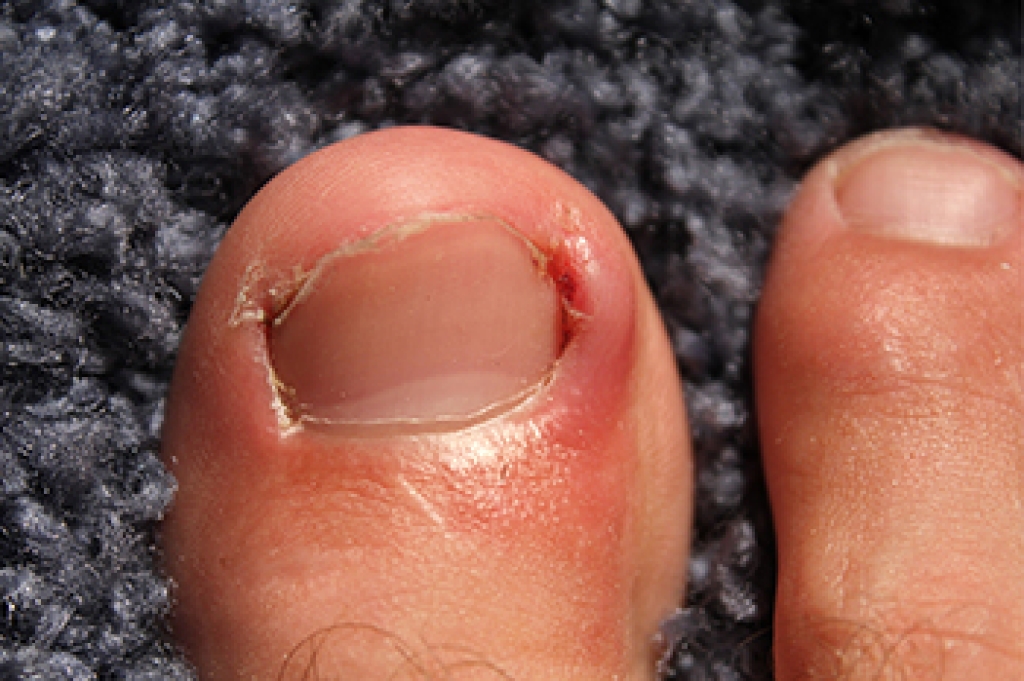
Ingrown toenails are painful foot problems, and can disrupt your daily life, leading to discomfort. Understanding the causes behind them is crucial for prevention and effective management. A common culprit is improper toenail trimming. Cutting nails too short or rounding the edges can encourage them to grow into the skin. Tight-fitting shoes or socks can also compress the toenails, increasing the likelihood of inward growth. Trauma, such as stubbing your toe, also can distort the nail's growth pattern. Additionally, inherited factors and genetics can predispose some individuals to ingrown toenails. Infections and fungal conditions can further exacerbate the problem. It is essential to maintain proper nail care, wear well-fitting footwear, and address any foot issues promptly to reduce the risk of ingrown toenails and enjoy pain-free feet. If you have developed an ingrown toenail, it is suggested that you are under the care of a podiatrist who can provide you with relief and treatment options.
Ingrown toenails can become painful if they are not treated properly. For more information about ingrown toenails, contact Neeta Hasmukh, DPM of Total Podiatry. Our doctor can provide the care you need to keep you pain-free and on your feet.
Ingrown Toenails
Ingrown toenails occur when a toenail grows sideways into the bed of the nail, causing pain, swelling, and possibly infection.
Causes
Prevention
Because ingrown toenails are not something found outside of shoe-wearing cultures, going barefoot as often as possible will decrease the likeliness of developing ingrown toenails. Wearing proper fitting shoes and using proper cutting techniques will also help decrease your risk of developing ingrown toenails.
Treatment
Ingrown toenails are a very treatable foot condition. In minor cases, soaking the affected area in salt or antibacterial soaps will not only help with the ingrown nail itself, but also help prevent any infections from occurring. In more severe cases, surgery is an option. In either case, speaking to your podiatrist about this condition will help you get a better understanding of specific treatment options that are right for you.
If you have any questions, please feel free to contact our offices located in San Antonio, Uvalde, and Jourdanton, TX . We offer the newest diagnostic and treatment technologies for all your foot care needs.
Connect With Us
